
Last updated November 2, 2026
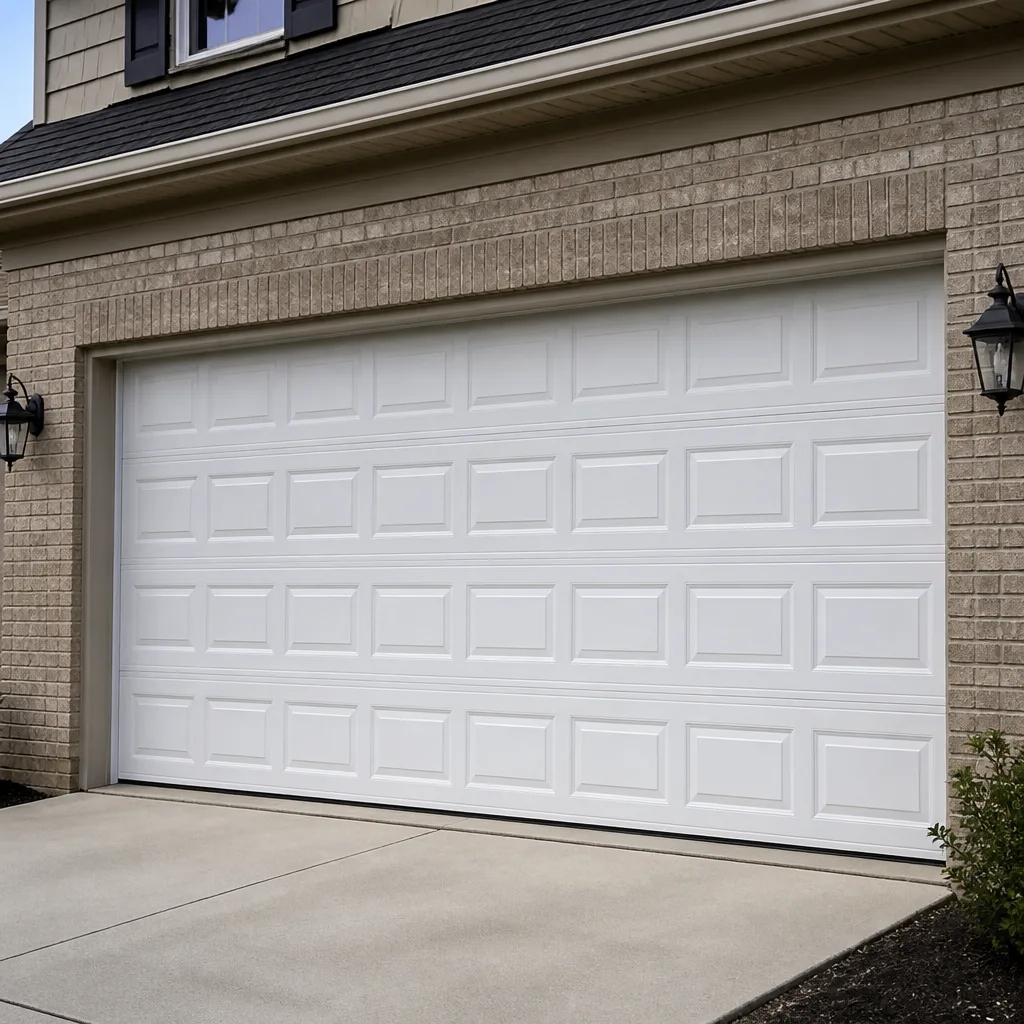 Raised-panel steel
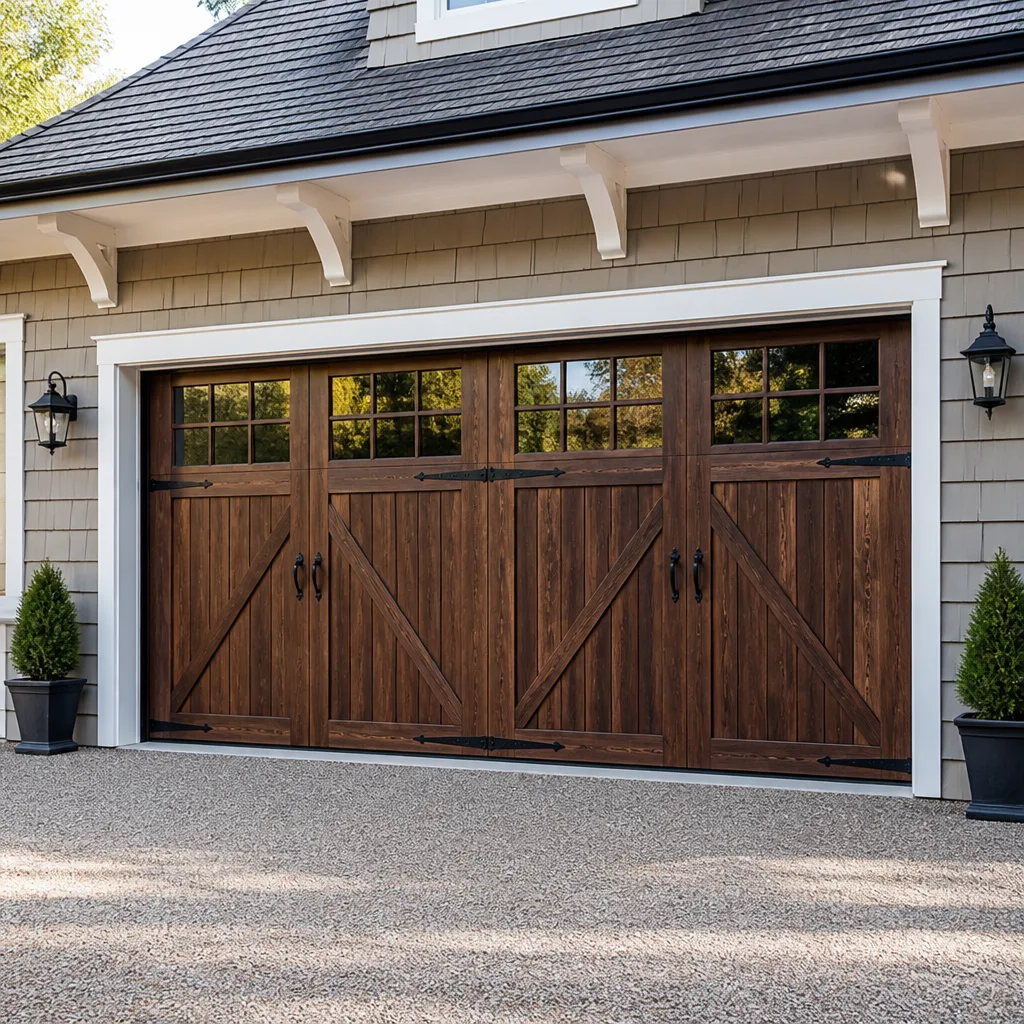 Carriage house
 Modern flush
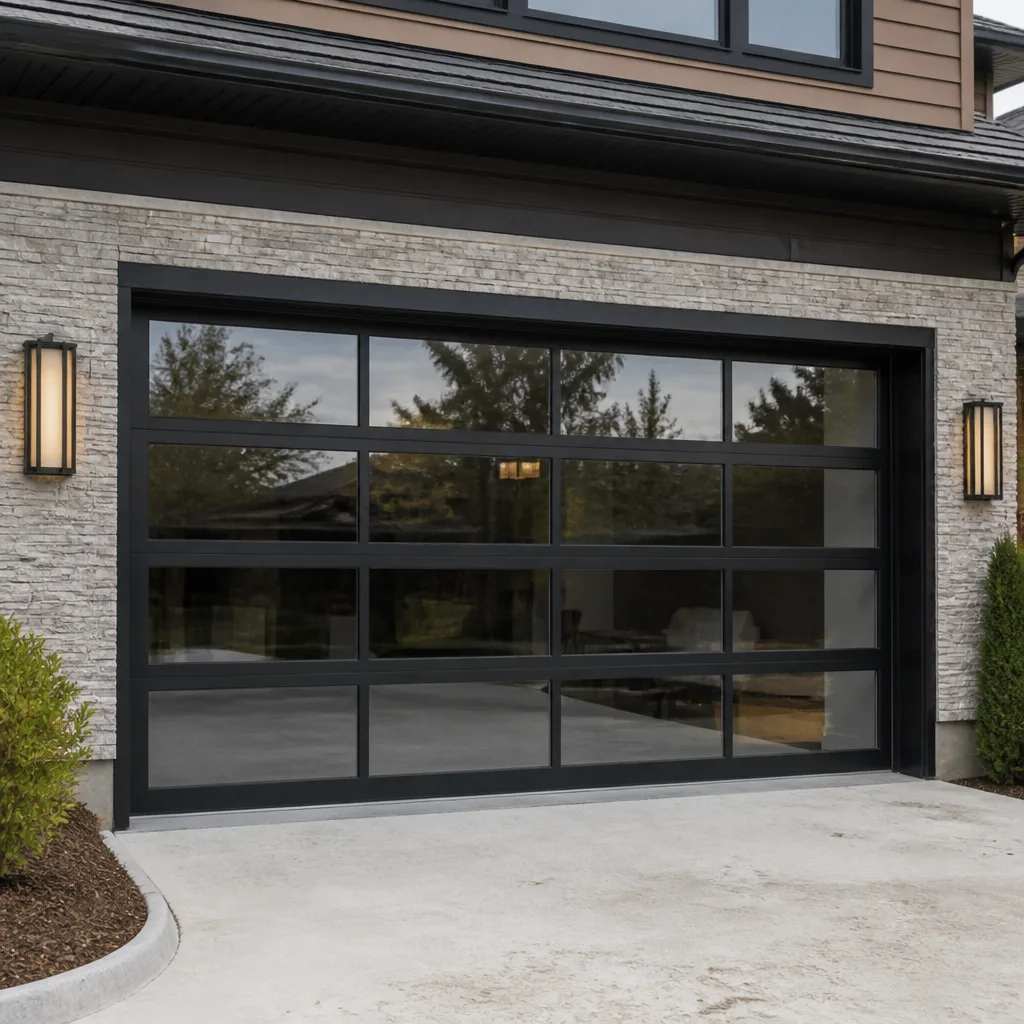 Full-view glass
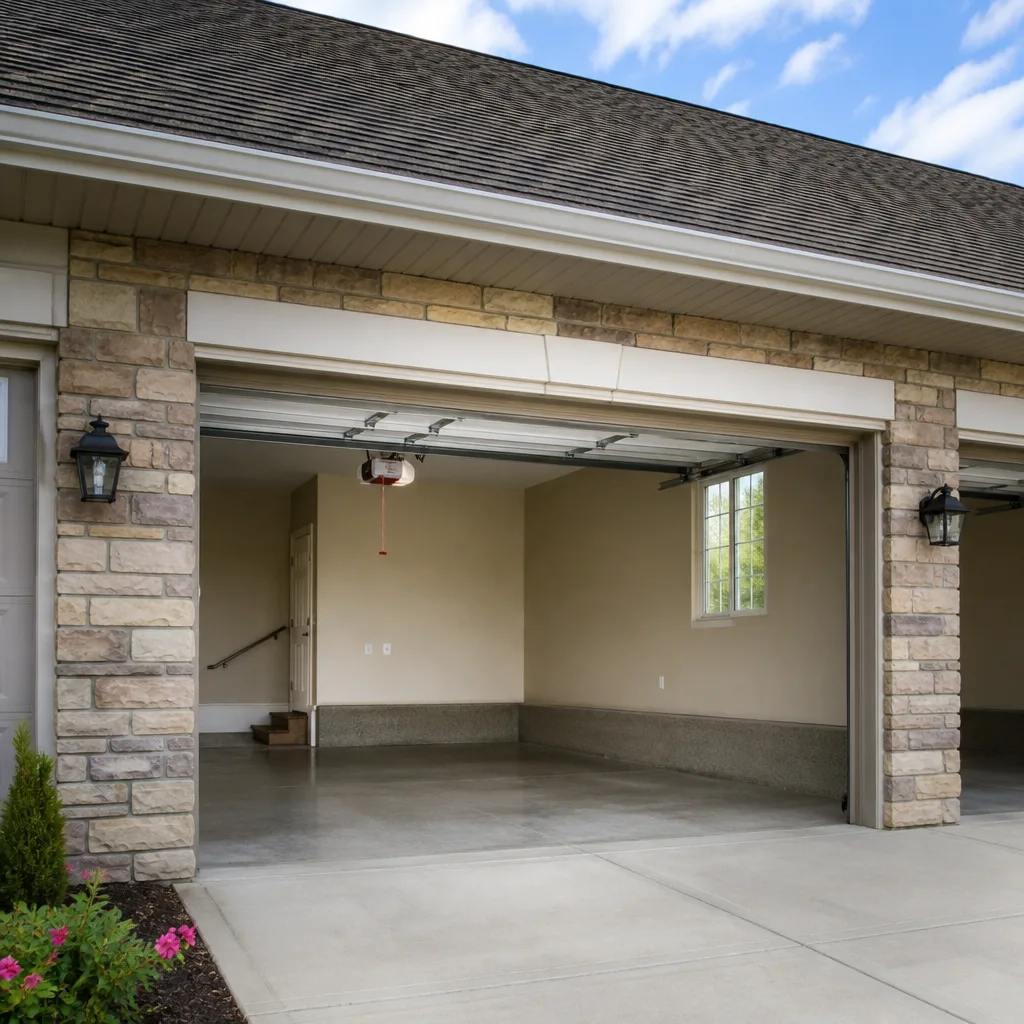 LiftMaster openers
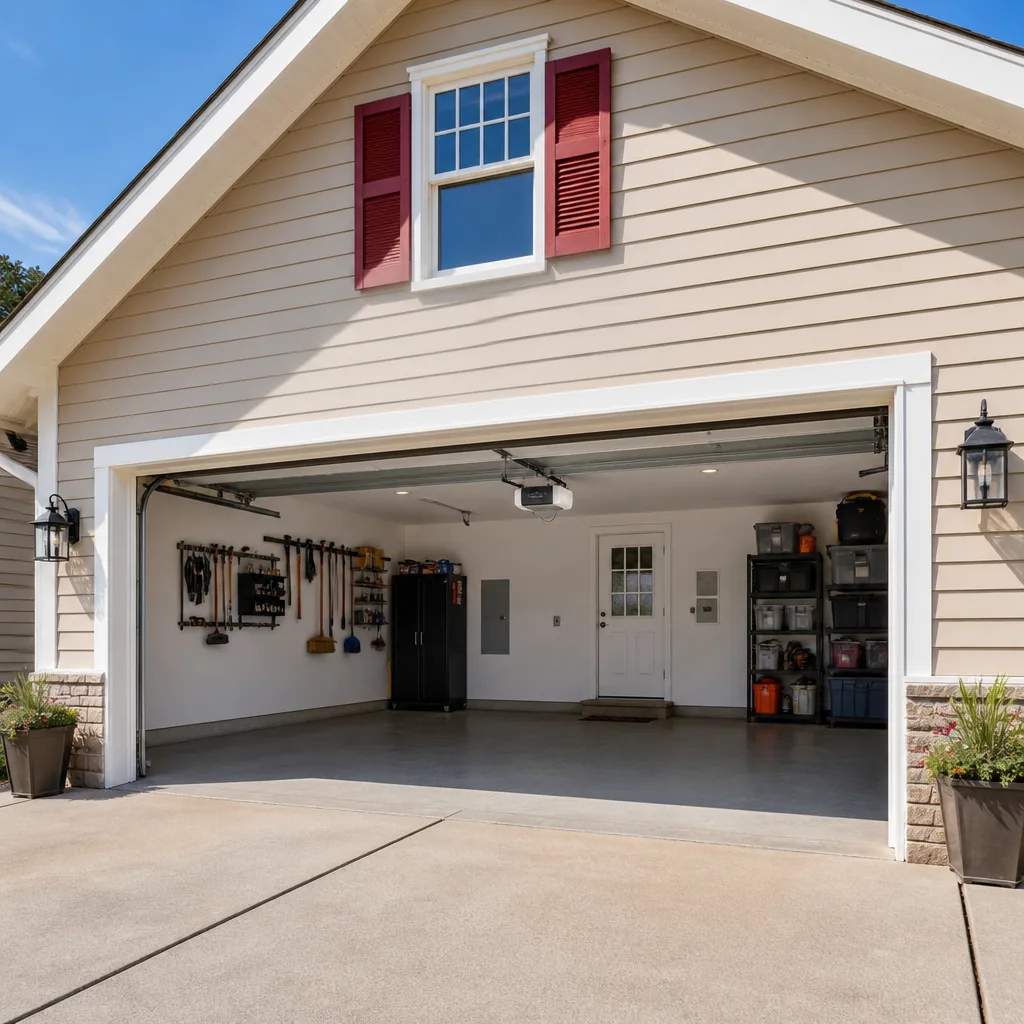 Chamberlain openers
Full 25-point door and opener safety check with every visit - springs, cables, rollers, tracks, and your LiftMaster or Chamberlain opener included
You get a price before we start. It does not change when the truck arrives.
Get your free estimateHow to Hire a Garage Door Contractor in Camarillo: A Step-by-Step Guide
In Ventura County, anyone with a C-61 Limited Specialty license can legally work on garage doors. That license tells you almost nothing about whether the person holding it knows what they’re doing with your specific Clopay door or your LiftMaster opener. The Camarillo market is crowded with generalist handymen, out-of-area franchise vans, and one-brand installers who all claim they can fix your problem. This guide gives you a concrete vetting framework so you can sort genuine multi-brand expertise from a generic quote, and you can find more guides & resources on our blog. By the time you finish reading, you’ll know exactly which questions to ask, which credentials matter, and which red flags signal you should call someone else.
Styles & brands we work with
- Raised-panel steel
- Carriage house
- Modern flush
- Full-view glass
- LiftMaster openers
- Chamberlain openers
Quick Answer
Hiring a garage door contractor in Camarillo comes down to three filters: verify the CSLB license is an active C-61 (D28) classification, not a general B-license; confirm the contractor has brand-specific training on your existing equipment, whether that’s Chamberlain, Genie, Amarr, or Raynor; and insist on an in-person inspection before any quote is finalized. For a deeper look at what to expect throughout the year, see our Seasonal Garage Door Care for Camarillo: Year-Round Homeowner’s Guide. Skip contractors who price over the phone, can’t name the drive type on your opener, or won’t itemize parts and labor separately in writing. A legitimate contractor in Camarillo will show proof of license, walk through the diagnosis with you, and give you a written estimate you can actually read.
Table of Contents
- Step 1: Verify the License Classification, Not Just the Number
- Step 2: Ask the Brand-Specific Questions That Separate Specialists From Generalists
- Step 3: Read the Written Estimate Like a Contract, Because It Is One
- Step 4: Cross-Check Reviews, References, and CSLB Complaint History
- Step 5: Watch for Camarillo-Specific Red Flags
- Step 6: What to Expect on the Day of Service
- Common Mistakes to Avoid
- When to Call a Professional
- Frequently Asked Questions
- The Bottom Line
Step 1: Verify the License Classification, Not Just the Number
The first thing most Camarillo homeowners check is whether a contractor “has a license.” That’s the wrong question. The right question is which license. In California, a C-61 Limited Specialty license with the D28 sub-classification is the credential specific to garage door work. A general contractor holding a B-license can legally hang drywall, pour concrete, and yes, replace your garage door. But the B-license exam doesn’t test garage door mechanics. It doesn’t cover torsion spring physics, opener logic boards, or the tension-release procedure on a Wayne Dalton TorqueMaster. A C-61 (D28) holder has demonstrated minimum competency in doors and openers specifically. That distinction matters for two practical reasons: warranty work on manufacturer-backed components often requires installation by a properly classified contractor, and your homeowner’s insurance may scrutinize claims related to work performed by an improperly licensed entity.
Here’s the verification process, step by step:
- Go to the CSLB license lookup page at cslb.ca.gov. Enter the contractor’s name or license number. Do this while the person is still standing in your driveway or on the phone.
- Check the classification field. You’re looking for “C-61 / D28” or the description “Doors, Gates and Activating Devices.” A B-license holder working garage doors is operating outside the spirit of their classification, even if technically permitted for some scopes.
- Confirm the license status is “Active” and not “Suspended” or “Revoked.” This seems obvious, but suspended licenses appear in Camarillo service ads more often than homeowners expect.
- Check the workers’ comp field. A contractor without workers’ compensation coverage who sends employees onto your property creates liability exposure for you. In Camarillo, where many solo operators run lean, this is not a hypothetical concern.
- Look at the “Bond and Insurance” section. The $15,000 contractor’s bond is a legal minimum, not a quality signal. But if it’s lapsed, walk away immediately.
We’ve seen Camarillo homeowners discover mid-project that the “contractor” they hired was actually a handyman working under a suspended license from a different county. The savings vanished when a spring failed and there was nobody to call, no bond to claim against, and no CSLB complaint to file that would mean anything. Five minutes on the CSLB lookup would have prevented all of it.
Step 2: Ask the Brand-Specific Questions That Separate Specialists From Generalists
A generalist can replace a broken spring and probably get your door opening again. What a generalist cannot do is diagnose a failure on a belt-drive Chamberlain with MyQ integration, or explain why your Genie screw-drive opener is grinding against the rail after eight years. Camarillo homes run a huge variety of garage door equipment depending on when the house was built and which builder installed the original door. Up in Spanish Hills you’ll see newer Clopay carriage doors with side-mounted LiftMaster openers. Down in the Aviara and Springville tracts, it’s mostly overhead torsion systems with chain or belt drives from Genie or Chamberlain. A contractor who only installs one brand will push you toward that brand even when your existing door is perfectly repairable.
Here are the questions that actually reveal whether someone knows your equipment:
- “What drive type does your company work on most often in Camarillo?” The answer should include belt-drive, chain-drive, and screw-drive units. If they hesitate on any one, they don’t service it regularly.
- “Can you tell me who made this opener without looking at the badge?” An experienced technician identifies a Chamberlain vs. a Genie vs. a LiftMaster from the housing shape, rail style, and wall control within seconds. If they need to open the cover to identify a major brand, that’s a signal.
- “Are you factory-authorized or factory-trained on any of the major lines?” Look for answers like LiftMaster ProVantage or Clopay Master Authorized Dealer. Those programs require ongoing training, not a one-time online module. A contractor who holds those credentials can usually produce the certificate on the spot.
- “If my spring fails again in two years, who honors the warranty, you or the manufacturer?” A specialist knows the answer is different for a Clopay door warranty vs. an Amarr spring warranty, and can explain the difference.
Here’s a data point worth knowing for the Camarillo market: a generalist handyman service will quote you lower on a spring replacement because they’re buying generic springs from a wholesale supplier and installing them without measuring your door’s actual cycle weight. A technician trained on Clopay or Amarr doors will measure the existing spring’s wire gauge, inside diameter, and length, then match the replacement to the door’s actual lift requirements. The price difference is usually forty to eighty dollars. The lifespan difference can be four to six years of normal use. That’s what specialty training buys you.
Step 3: Read the Written Estimate Like a Contract, Because It Is One
The estimate is where Camarillo homeowners get misled most often. Not by outright fraud, but by vagueness. A one-line quote that says “Spring replacement: $310” tells you nothing about what spring, what brand, what parts are included, whether the labor is bundled, or whether there’s a warranty on the work. A contractor who writes estimates this way is either hiding something or doesn’t know enough about the job to articulate it. Both are disqualifying.
A legitimate written estimate should break down like this:
- Parts, itemized. Each component should list a brand name and part number or specification. “Torsion spring: .225″ wire x 2″ ID x 29″ length, Raynor equivalent” is what a real estimate looks like. “Spring, labor included” is not.
- Labor, separated from parts. If parts and labor are bundled into one number, you can’t compare estimates meaningfully. You also can’t tell whether the contractor is overcharging for parts or undercharging for labor to win the job.
- Disposal of old parts. A one-line estimate doesn’t mention whether they’ll haul away the old spring, the old opener, or the old door. That’s a line item. If it’s missing, you’re paying extra for it later or hauling a 120-pound door panel to the dump yourself.
- Any modifications or adjustments to the existing door. A spring replacement often requires rebalancing the door. That means adjusting cable tension, lubricating rollers, and possibly replacing worn hinges. If the estimate doesn’t mention this, you’ll get a spring installed and an unbalanced door that strains the new spring from day one.
- The warranty terms in writing. Not “all work guaranteed.” A parts warranty from the manufacturer and a separate labor warranty from the contractor, with durations spelled out. For Camarillo homeowners, where coastal humidity can affect hardware corrosion, that warranty language matters.
When someone hands you an estimate you can’t parse, ask them to itemize it. If they can’t, the right response is to thank them for their time and move to the next name on your list. Contractors who understand their work can explain it in writing.
Step 4: Cross-Check Reviews, References, and CSLB Complaint History
Yelp stars are the weakest signal you can use. Restaurant reviews are written by people who ate one meal and never returned. Garage door reviews are written by people who had one interaction with a contractor, usually while stressed, usually about price. The star count gets inflated by “promotional” reviews left by friends and deflated by customers who didn’t understand what they were paying for. A five-star Yelp profile with zero CSLB complaints is fine, but a four-star Yelp profile with three CSLB complaints is a giant red flag.
The CSLB complaint history is public record. Here’s how to use it:
- Return to the CSLB license lookup page and click through to the contractor’s history. The site will show any formal complaints filed with the board and their disposition: dismissed, resolved, or substantiated.
- Read the substantiated complaints carefully. One substantiated complaint about a missed completion date from six years ago is not disqualifying, but it tells you something about how this contractor handles problems. Three substantiated complaints about abandoned work or failure to appear is a pattern.
- Ask for one local reference from Camarillo or Thousand Oaks. Not a national reference. Not a reference from Orange County. A homeowner in your same climate zone who had the same type of work done within the last eighteen months. Call the reference. Ask what went wrong and how the contractor fixed it. Every job has friction. The contractor who handles it well is the one you want.
- Check Google Business Profile for response patterns. Not the star rating. Look at how the contractor responds to negative reviews. A composed, specific reply that addresses the complaint signals professionalism. A defensive reply signals the opposite.
We’ll share something from our side of the counter: the contractors with the most pristine online reviews in Camarillo are often the ones who pressure customers to remove negative feedback after the fact. The contractor with a solid-but-not-perfect rating and a clean CSLB record is almost always the better operator.
Step 5: Watch for Camarillo-Specific Red Flags
Every market has tells. In Camarillo, where the 101 Corridor makes it easy for an unmarked van from Los Angeles to pop over the grade for an afternoon, the red flags are specific:
- Out-of-area trucks working multiple Camarillo zip codes in one day. A contractor who services Oxnard, Ventura, Camarillo, and Thousand Oaks in a single afternoon is volume-driven. The quality of diagnosis drops when the next job is thirty minutes away and already behind schedule.
- Quotes given without an in-person inspection. A contractor who prices a spring replacement over the phone based on “what you described” is guessing. Torsion springs, extension springs, cable systems, and door weight all affect the actual cost. In Camarillo, where door styles run from early 1980s steel to modern Clopay composite, a phone quote is worthless. The contractor needs to stand in front of your door and look at it.
- Unmarked vans or vehicles with magnetic decals. Magnetic signs pop off in a minute and are the standard equipment of operators who work without proper insurance. A legitimate contractor has a marked vehicle and is proud of it.
- Pressure to sign the same day. “I can do it right now for $185” is a pressure tactic. If they claim the price expires when they drive away, that’s not a quote, that’s a sales pitch. A real contractor prices based on the work, not on your emotional state.
- The phrase “it’s all the same parts.” No, it’s not. A genuine LiftMaster circuit board doesn’t ship in the same box as a generic aftermarket board. The difference shows up in failure rates, warranty support, and compatibility with smart-home systems.
One more Camarillo-specific note: the permitted work question. Most garage door repair and replacement in Camarillo doesn’t require a city-issued permit, but if you’re enlarging a door opening or changing the structural header, the City of Camarillo Building and Safety Division gets involved. A knowledgeable contractor will tell you when a permit is needed without being asked. If your contractor doesn’t know whether your job requires a permit, that’s the last question you need to ask them.
Step 6: What to Expect on the Day of Service
By the time the contractor arrives, you should know more about your garage door than you did when you called. That’s a feature of good hiring, not a bug. Here’s what a Camarillo service call should look like:
The technician arrives in a marked vehicle, walks to the garage, and does a visual inspection before touching anything. They’ll look at the spring type, the opener model, the track alignment, and the door’s travel path. They should explain what they found in plain language and confirm the quoted scope before starting work. If the diagnosis turned up something the estimate didn’t cover, this is where they tell you and get your approval for a revised price. A professional doesn’t start the work and hand you a surprise invoice afterward.
The work itself varies by job, but competent technicians follow a consistent sequence: release tension or disconnect power first, identify the failure point, replace or repair the failed component, test the door through full travel cycles, adjust balance and alignment, lubricate the moving parts, and clean the work area. When they’re done, they should walk you through what they did and answer one or two questions without rushing. You should pay the agreed amount, not a dollar more, and walk away with a written warranty statement covering parts and labor.
If any step in that sequence didn’t happen, tell the contractor. If they won’t fix it, call the next name on your list.
Common Mistakes to Avoid
- Skipping the license classification check. Most Camarillo homeowners verify that a contractor “has a license” and never look at what the license actually covers. A B-license holder is not a garage door specialist.
- Accepting a phone quote as final. A contractor who prices your spring or opener job without seeing the equipment is pricing a different job than the one they’ll actually do.
- Ignoring brand compatibility. Your Genie wall console won’t work with a Chamberlain replacement logic board. If the contractor doesn’t ask what brand your equipment is before quoting, find another contractor.
- Not reading the itemized estimate. “Parts and labor included” bundles everything into a number you can’t audit. Demand itemization before you sign anything.
- Focusing on star ratings instead of CSLB records. A five-star Yelp profile with substantiated CSLB complaints is a bullet headed your way. Check the board’s record first, stars second.
- Hiring the first available contractor during an emergency. When a spring breaks at 7 AM and you’re late for work, the first truck that answers will set the price. Take two minutes to check their license before you say yes.
When to Call a Professional
Some garage door problems are DIY-solvable: tightening a loose hinge, clearing a photo-eye obstruction, replacing a burned-out opener light bulb. The dangerous work is the spring. Torsion springs hold the full counterweight of your door under enormous tension. When one fails, it releases that energy instantly. A mismatched spring, an improvised winding rod, or a skipped step in the release sequence can result in severe injury or worse. The same applies to cable replacement and any work involving the opener’s travel limits on a door that’s visibly off-balance. If your door creaks on one side, shudders during travel, or refuses to stay up without the opener holding it, the hardware is telling you something. A trained technician hears that message before the failure happens. Garage Door Repair in Camarillo covers the full range of spring, cable, track, and panel work on the eight major brands. They offer free estimates over the phone and in person. Call (855) 341-8382 for a price before the small problem becomes a big one.
Frequently Asked Questions
Service call fees in Camarillo range from $60 to $100, spring replacements typically run $180 to $350 installed, opener repairs average $160 to $300, and full door installations start around $900 to $1,100 for a standard single door and climb based on materials and opener choice. Your price should always be quoted in writing before the work starts. Call (855) 341-8382 for an exact quote on your specific door.
A garage door contractor should hold an active C-61 Limited Specialty license with the D28 sub-classification, issued by the Contractors State License Board. A general B-license allows broad construction work but doesn’t require any demonstrated competency in door or opener mechanics. Verify the classification on the CSLB look up site before signing anything.
Most repair work can be scheduled same-day or next-day, depending on the contractor’s route and the job type. Installation work and full door replacements are measured and ordered, so expect a scheduled appointment rather than same-day service. Ask about lead times when you call for an estimate.
Go to the CSLB license lookup page, enter the contractor’s name or license number, and review the complaint history field on their record. The site shows substantiated complaints, dismissed complaints, and the disposition of each case. Cross-check this against references the contractor provides before hiring.
If your opener is more than ten years old, making grinding noises, or failing to lift the door consistently, a full replacement usually makes more financial sense than repeated mobile repairs. A trained technician can tell you the manufactured year and whether your drive type is still economical to service. Call (855) 341-8382 for a diagnosis.
They service and install all eight of the most widely installed residential brands, including LiftMaster, Chamberlain, Genie, Clopay, Amarr, Wayne Dalton, Craftsman, and Raynor. Ask any Camarillo garage door contractor which of these they personally service before booking a call.
The Bottom Line
Hiring a garage door contractor in Camarillo isn’t a coin flip, but it can feel that way if you don’t know what separates a specialist from a generalist. The license classification matters more than the license number. Brand training matters more than years in business. The itemized estimate matters more than the bottom-line number. And the CSLB record matters more than Yelp stars. Do the five-minute license check, ask which brands the contractor actually trains on, read the estimate line by line, and watch for the Camarillo red flags. If all of that checks out, you’re not taking a risk. You’re hiring a professional who can fix your door the first time, explain what they did, and stand behind the work. If any red flag appears, move on. There are better contractors in Camarillo, and now you know how to find one.
Need garage door work done right in Camarillo? Call Statesman Garage Door Repair at (855) 341-8382 for a free, itemized estimate. We work on all eight major brands and give you the written estimate in your hand before work starts.
Written by the team at Statesman Garage Door Repair, serving Camarillo since 2018.
See the difference
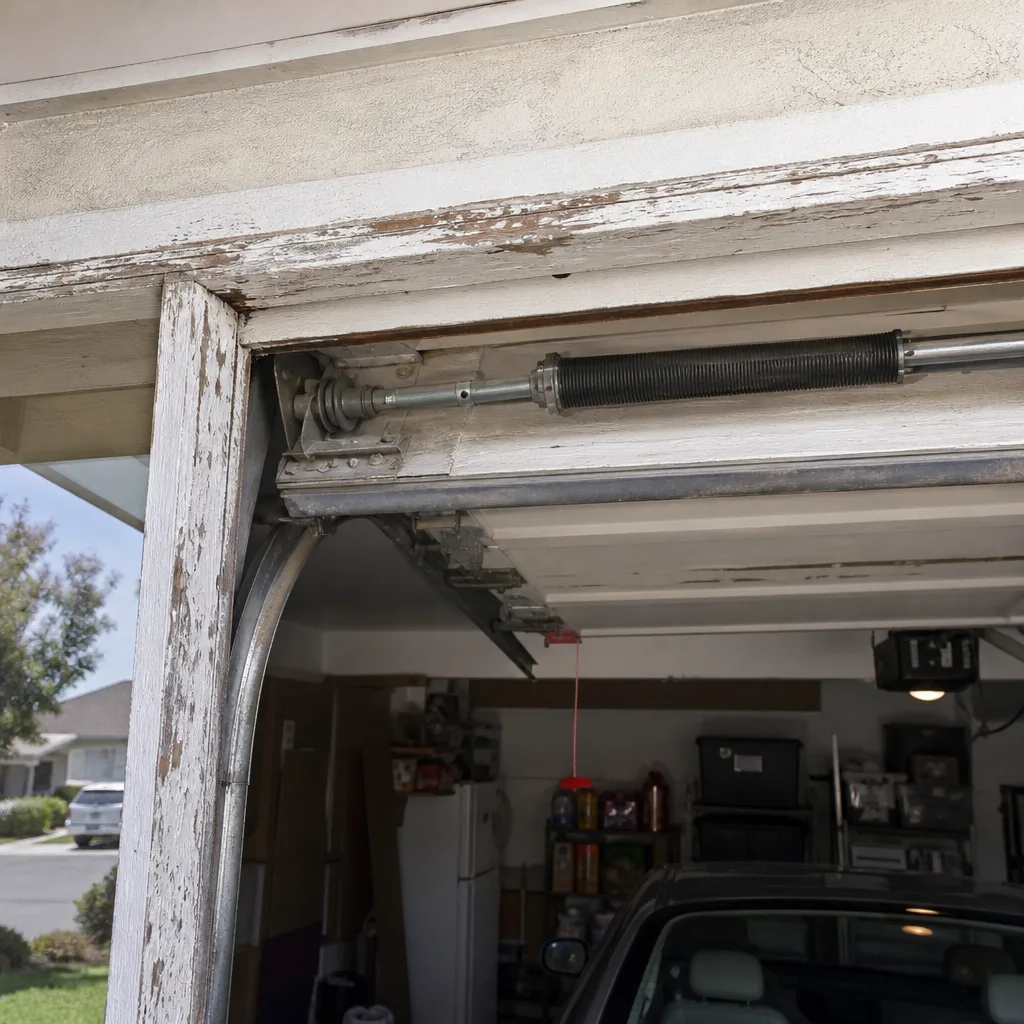 Before
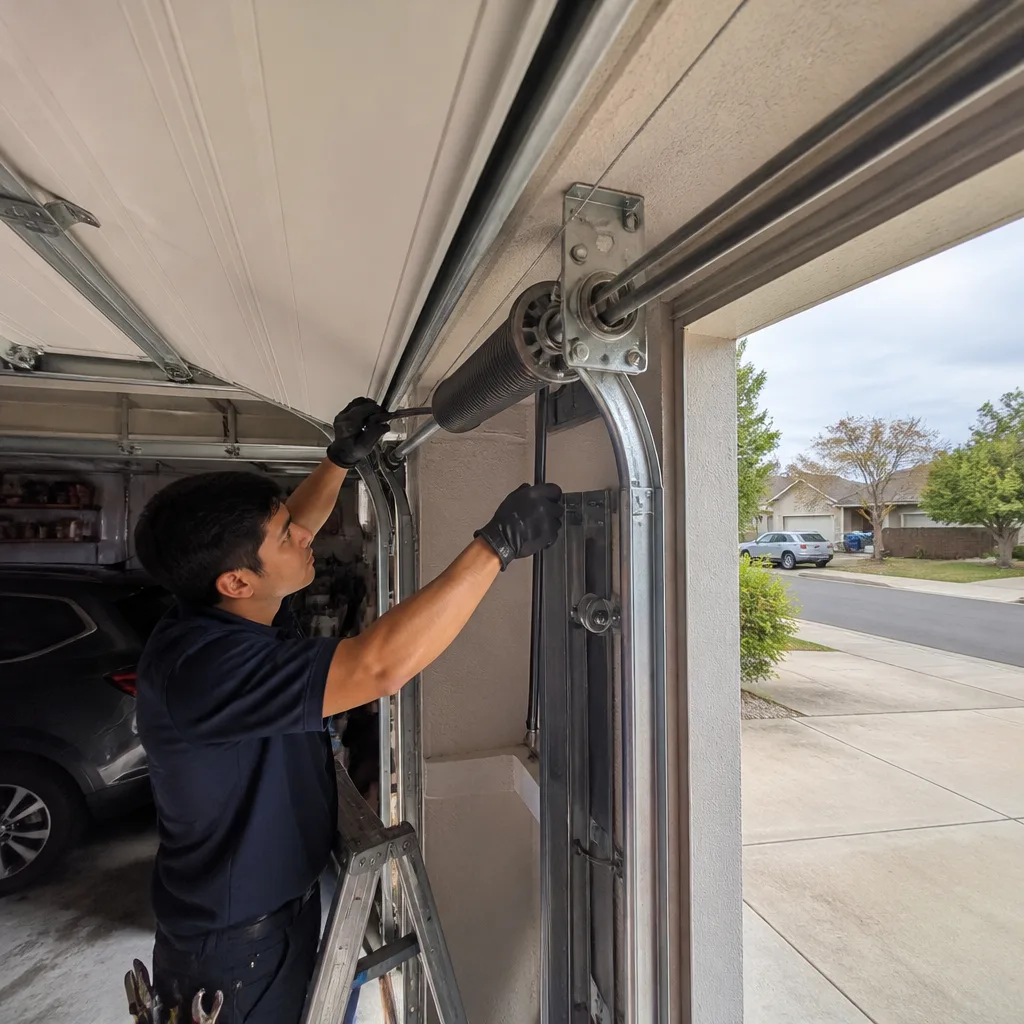 After
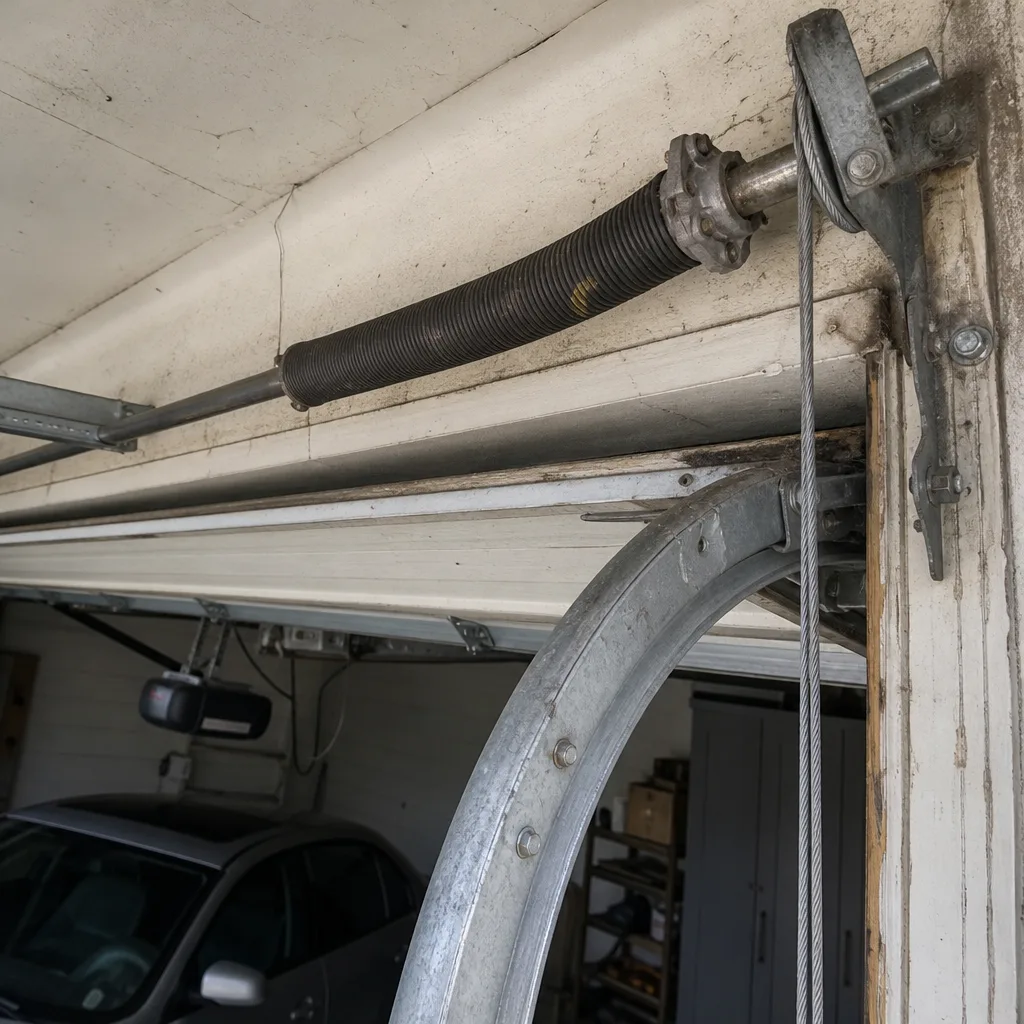 Before
 After
 Before
 After