
Last updated November 2, 2026
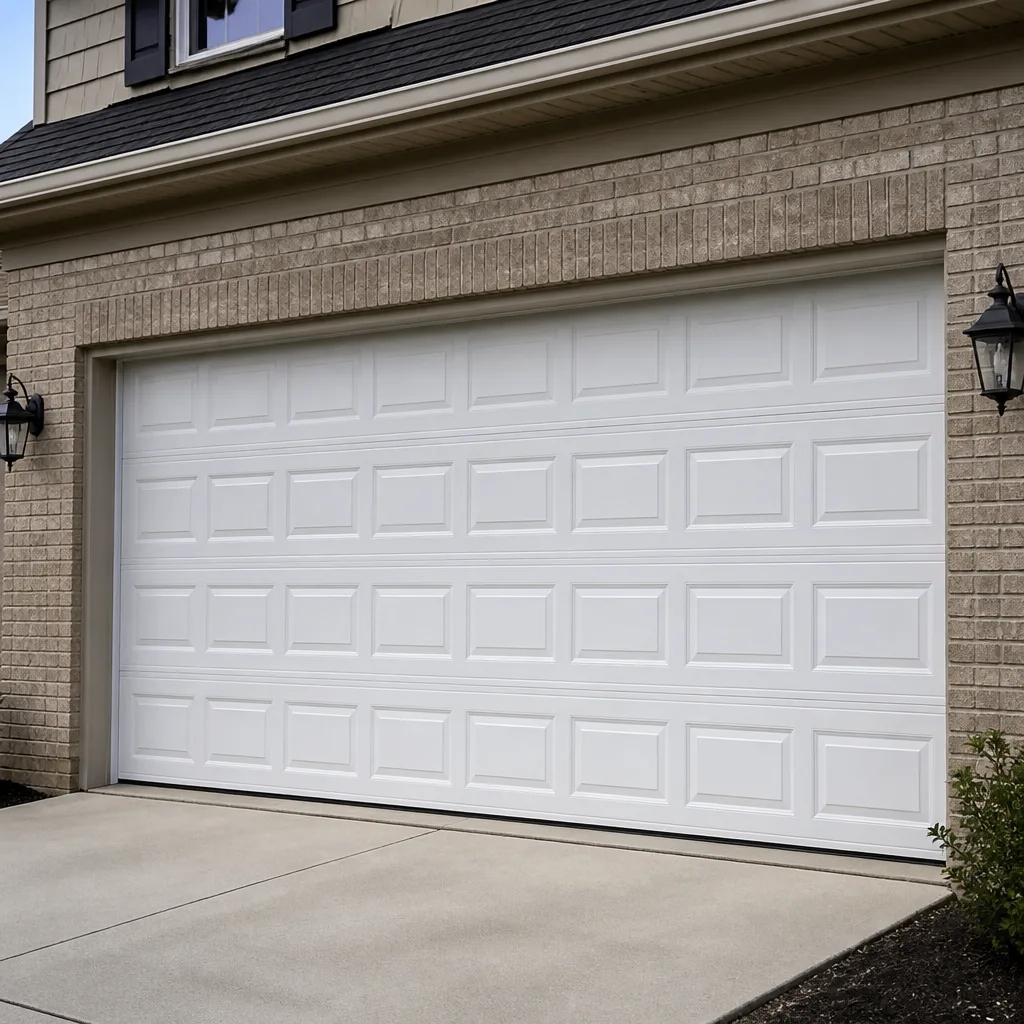 Raised-panel steel
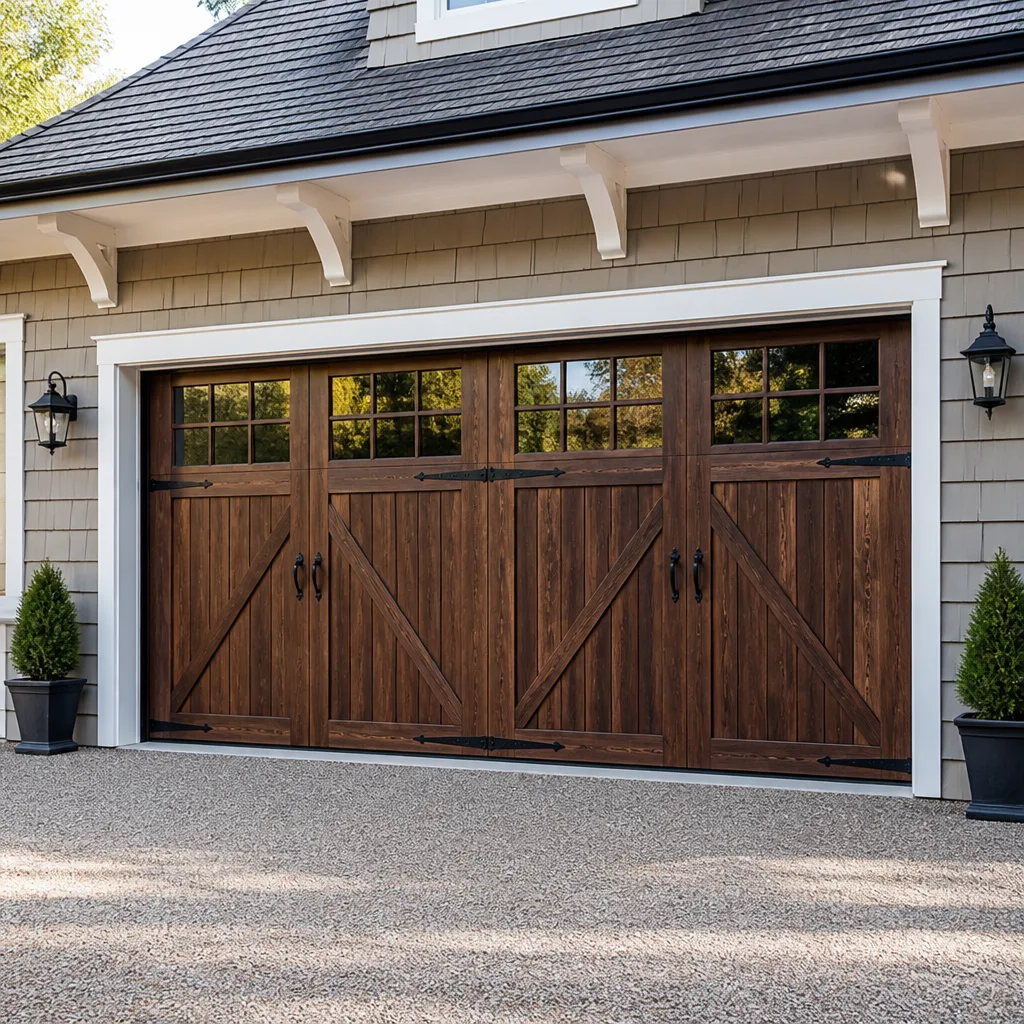 Carriage house
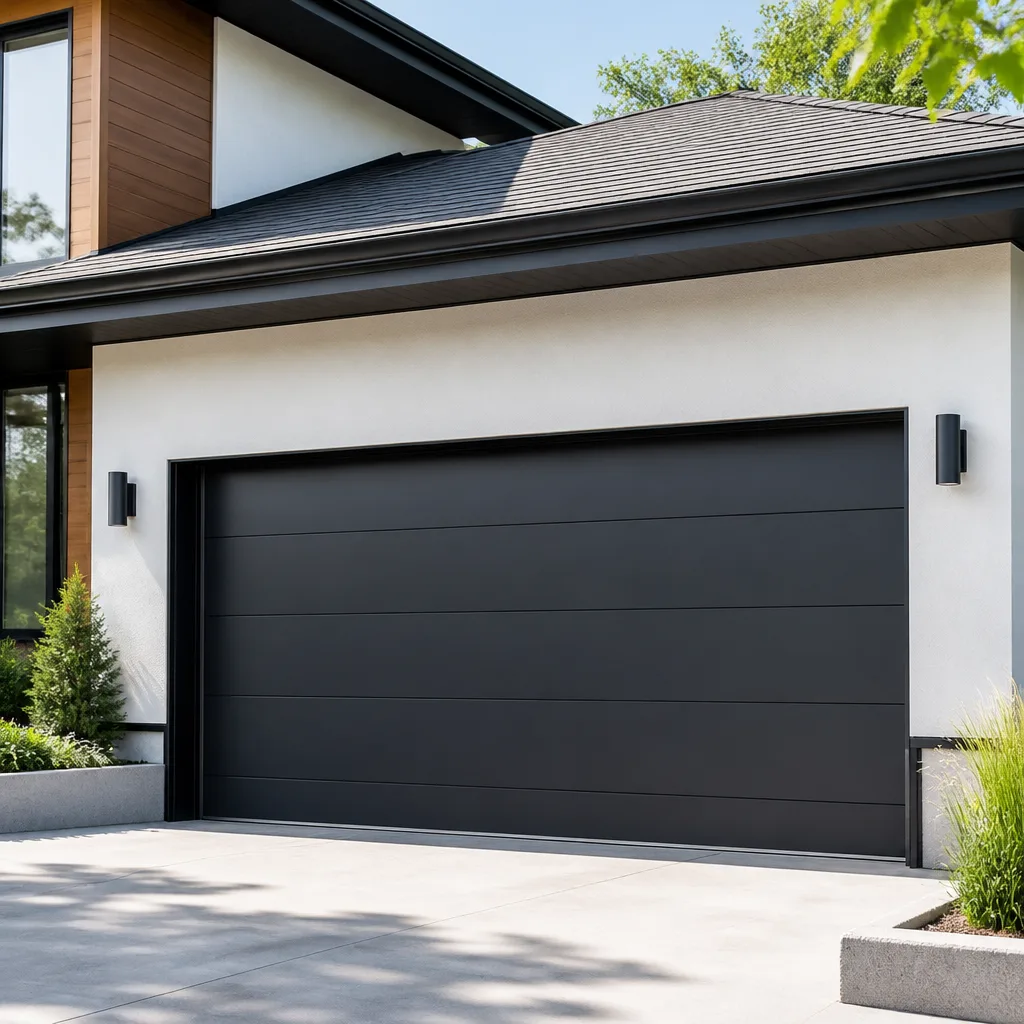 Modern flush
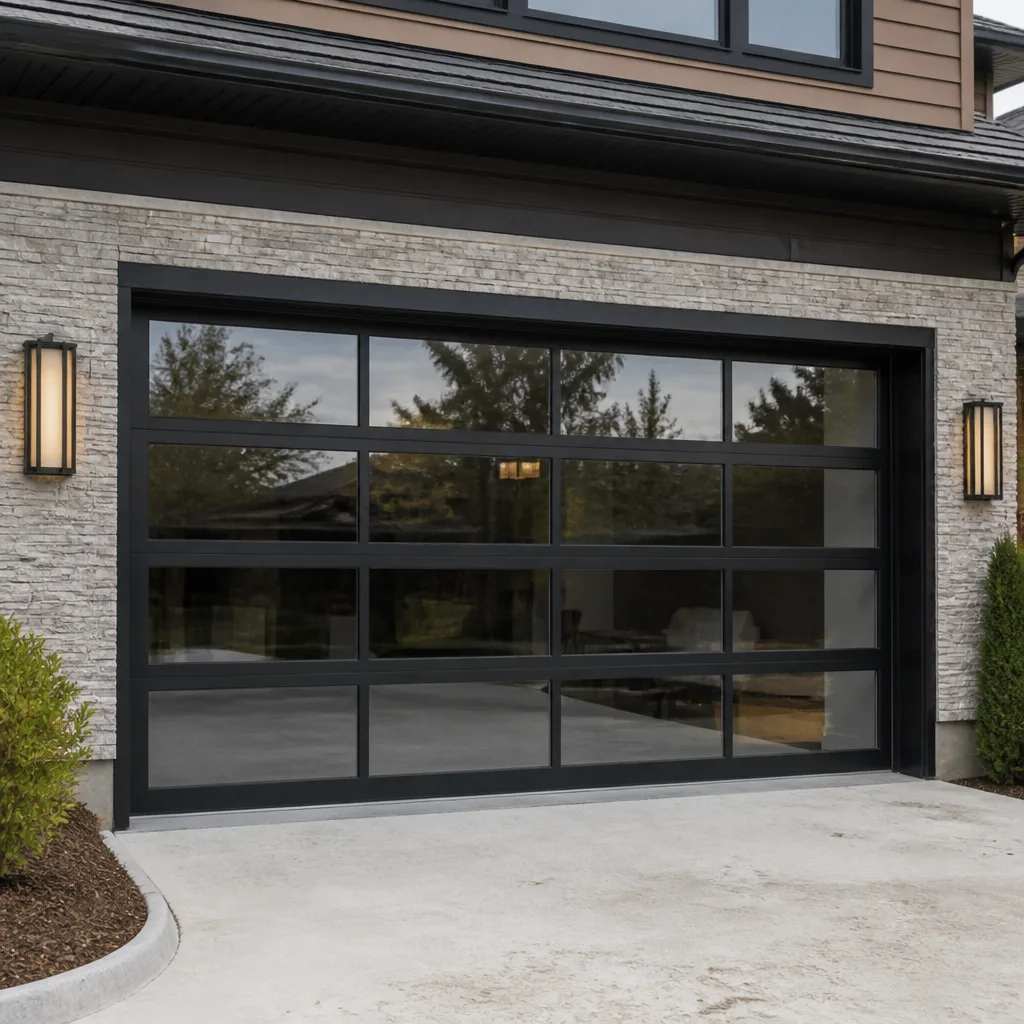 Full-view glass
 LiftMaster openers
 Chamberlain openers
Full 25-point door and opener safety check with every visit - springs, cables, rollers, tracks, and your LiftMaster or Chamberlain opener included
You get a price before we start. It does not change when the truck arrives.
Get your free estimateGarage Door Emergency Preparedness Guide for Camarillo Homes
Here’s the scenario most Camarillo homeowners never rehearse until it’s too late: the power cuts out during a Santa Ana wind event at 9:40 pm, and you suddenly realize you’ve never actually pulled the red emergency release cord hanging from your garage door opener. Your car is inside. You have work in the morning. And the manual you were handed when the opener was installed is somewhere in a drawer you haven’t opened since 2019. This guide exists so that the next time that happens, or the next time a 5.2 magnitude quake shifts your door off its tracks, you know exactly what to do in the first five minutes, not the first hour.
Quick Answer
A garage door emergency in Camarillo is most often triggered by a power outage from a Santa Ana windstorm or an earthquake that knocks the door out of alignment, not by a break-in. The single most important skill you can have is knowing how to operate your opener’s manual release cord, because that’s what converts a sealed, immovable garage door into a manually operable one when there’s no power. Pre-labeling and testing that release cord once, plus knowing your after-hours service provider’s number before you need it, removes most of the danger and delay from any garage door emergency. For more guidance, see our Garage Door Repair Troubleshooting: Common Problems and How to Fix Them.
Styles & brands we work with
- Raised-panel steel
- Carriage house
- Modern flush
- Full-view glass
- LiftMaster openers
- Chamberlain openers
Table of Contents
- How to Use Your Garage Door’s Manual Release in a Power Outage
- Earthquake Response Protocol for Camarillo Garage Doors
- Battery Backup Openers: Which Models Have Them and What to Expect
- When the Door Won’t Close After an Emergency: Temporary Security Measures
- Pre-Emergency Preparation: The Two Things to Do This Weekend
- Common Mistakes to Avoid
- When to Call a Professional
- Frequently Asked Questions
How to Use Your Garage Door’s Manual Release in a Power Outage
The manual release cord is the red rope hanging from the trolley assembly near the center of your garage ceiling. Pulling it disengages the opener’s drive gear from the door carriage, which lets you raise or lower the door by hand. In a Camarillo power outage, this is the difference between getting your car out and being stranded at home until SCE restores the line. Almost every residential opener made in the last forty years, from a basic Genie chain-drive to a smart Chamberlain belt-drive, uses this same fundamental mechanism.
Here is the sequence, which works on the three most common opener configurations in Camarillo homes:
- Confirm the door is fully closed. If the door is not all the way down, the release can trigger a sudden drop, especially on a door with a worn or broken tension spring.
- Grip the release cord firmly and pull straight down. You’ll typically hear or feel a click. When it engages, the door is disconnected from the opener motor.
- Raise the door by hand. Use the door’s handle, not the release cord. A balanced door should lift smoothly and stay at shoulder height. If it takes significant effort, that tells you a spring has lost tension and the door needs professional correction before it closes again.
- To re-engage, pull the release cord down and forward toward the garage door. Operate the opener once to re-seat the mechanism. You should hear a second click when it locks back into place.
When the Release Cord Is Binding
We’ve seen this exact situation across Camarillo’s older neighborhoods, from Mission Oaks to the Santa Rosa Valley: a homeowner pulls the cord, hears nothing, pulls harder, and the cord won’t budge because the door itself has shifted and is pinning the carriage against the rail. This happens most often after a quake, or when a door has been forced open manually while off-track. If the cord will not release with moderate force, stop pulling. A binding cord often signals a door that is wedged at an angle, and forcing it can bend the rail or send the door off its rollers. At that point, the door is not safe to move by hand. Leave it closed if it is closed, or secure it open if it is partially open, and call for professional garage door repair in Camarillo before doing anything else.
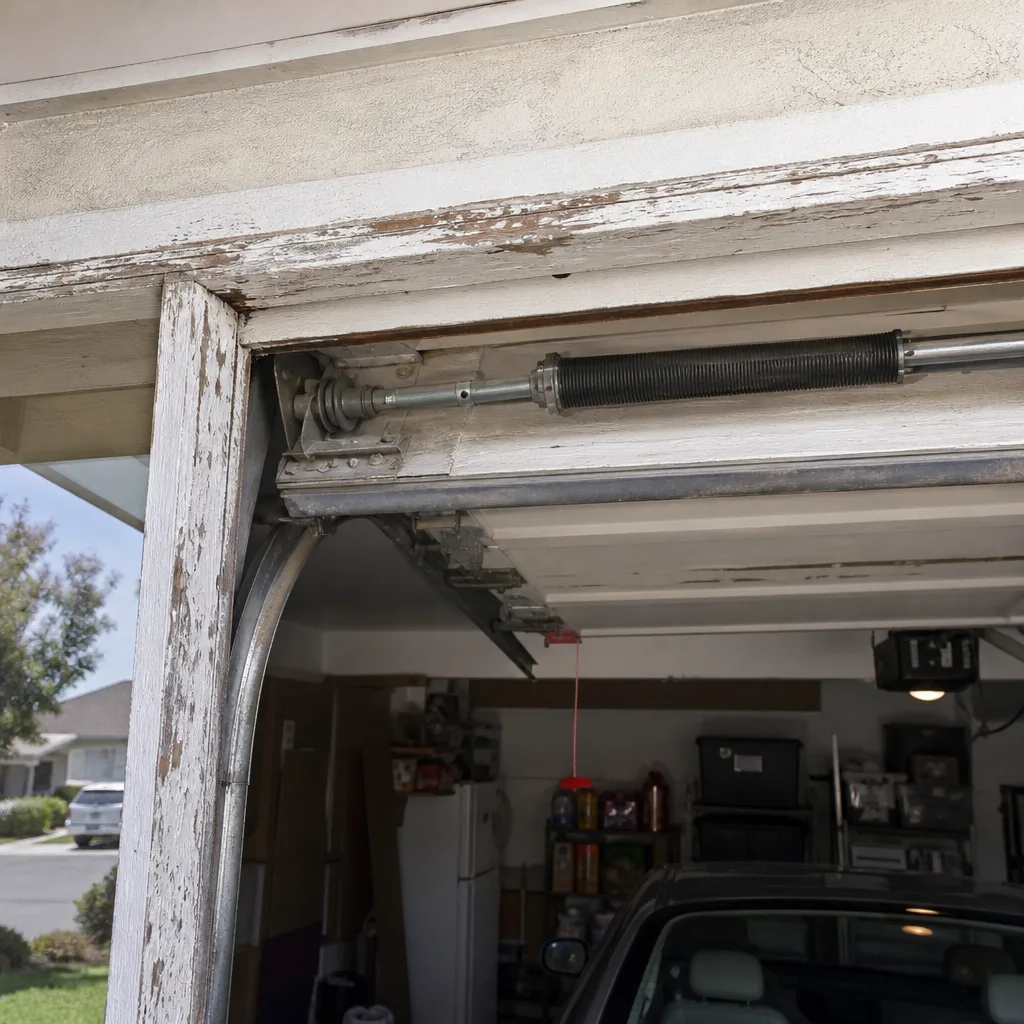
One more Camarillo-specific note: homes in the foothill areas of Camarillo Heights, and parts of Las Posas Estates, tend to be older and many still have doors with extension springs rather than torsion springs. Extension springs stretch along the horizontal tracks on both sides of the door. When one of them breaks during a power outage, the door can drop fast and unevenly when you pull the manual release. If your door has two long exposed springs running parallel to the tracks, treat it with even more caution during any release attempt.
Safety note: torsion springs, the coiled assemblies above the closed door, are under extreme tension and should never be adjusted or replaced by a homeowner. If the spring is broken, or you suspect it’s broken because the door is heavy and won’t open easily, call a trained professional immediately.
Earthquake Response Protocol for Camarillo Garage Doors
Ventura County sits within active seismic zones, including the Oak Ridge Fault system that runs just north of Camarillo and the Simi-Santa Rosa fault zone. After a quake of magnitude 4.5 or higher, regardless of where the epicenter is, your garage door should get a visual inspection before you attempt to open it. The reason is straightforward: a shifted door can come off its rollers mid-cycle, and a door that weighs several hundred pounds coming down is not something you want to be under. For details on local requirements, read Garage Door Permits, Codes & Inspections in CA: What You Need to Know.
The protocol we recommend for Camarillo residents after any meaningful seismic event:
- Look before operating. Stand inside the garage and look at the vertical tracks on both sides. Check that the door panels are sitting evenly, with no panel jutting inward or outward. Look at the rollers; if any are out of the track, do not operate the door.
- Inspect the horizontal track where it meets the wall. This joint takes the most stress during a quake. Look for separation, loose bolts, or brackets that have pulled away from the studs.
- Open and close the door once, but only if it has passed the visual checks. Stand to the side, not under the door. If you hear scraping, grinding, or the opener strains more than usual, stop and disconnect the opener with the wall button, then leave the door in place.
- If the door jams mid-cycle, do not force it. A post-earthquake jam is almost always structural, not mechanical. Forcing it compounds the damage to rollers, panels, and the opener’s drive system.
In Cameron Ranch, we’ve seen doors stay functional after moderate quakes but develop a slow creep: the door begins drifting to one side after a few open-close cycles. That’s typically a track alignment issue, not a spring issue. It’s the kind of problem that’s quick to correct if addressed early, and disabling if ignored. If your door operated fine for years and suddenly shimmies or binds after a quake, the tracks have moved, even if only by a quarter inch.
It’s also worth knowing that seismic events can cause the opener’s safety sensor alignment to shift. If your door refuses to close after a quake and the opener light blinks, the photo-eye sensors at the bottom of the track may have been knocked out of alignment. Re-aligning them is a homeowner-level task, but if they’ve been jarred more than once, the mounting brackets likely need replacement, not just re-aiming.
Battery Backup Openers: Which Models Have Them and What to Expect
A battery backup opener solves the most common Camarillo garage emergency before it starts. When the power drops, the opener automatically switches to an internal DC battery and keeps operating normally for a limited number of cycles. If your current opener is fifteen years old, it probably doesn’t have this feature. If it’s newer, it might.
Among the brands we work on, the integrated battery backup landscape breaks down like this:
- LiftMaster: The 87504 and 81602 models include integrated battery backup. The 87504 is the flagship model, a belt-drive with a DC motor, and the battery powers roughly 20 to 25 open-close cycles after a full charge.
- Chamberlain: The B503 and B5765 are the current belt-drive models with built-in backup. Runtime is similar to LiftMaster, around 20 cycles or roughly 24 hours of standby, whichever comes first.
- Genie: Battery backup is less standardized across the Genie line. Some newer belt-drive models include it; many chain-drive and economy units don’t. If you own a Genie, check the rail for a small battery box, or call us with the model number and we’ll tell you whether the unit has backup capability.
- Craftsman, Raynor, Wayne Dalton: These brands use a mix of third-party and OEM opener components. Battery backup appears on selected higher-end models only. Don’t assume an older Craftsman has it; most don’t.
Real-world runtime is important for Camarillo because Santa Ana outages can last longer than a few hours. SCE has been known to take 12 to 24 hours to restore power in some of the more exposed areas, especially along the 101 corridor during a high-wind event. A fully charged backup battery will handle a single morning commute cycle and an evening return without issue. But two weeks of driving in and out during an extended outage will exhaust it. The backup is for egress and entry, not indefinite daily use.
Battery replacement also matters. Most integrated backup batteries are sealed lead-acid or lithium units rated for three to five years. If your opener came with the house and you’ve never thought about the battery inside it, there’s a fair chance it’s no longer holding a full charge. A replacement is typically under $80 installed, and it’s the difference between a working door when the power fails and a door that’s just as dead as the grid.
If you’d like to know whether your specific opener has battery backup, call us at (855) 341-8382 with the model number and we’ll tell you. This also pairs well with a quote for garage door opener repair in Camarillo if you suspect your current unit isn’t working right.
When the Door Won’t Close After an Emergency: Temporary Security Measures
After a power outage or a quake, you may find yourself in the opposite situation: the door opens, but won’t close. The opener isn’t responding, the track is too far out of alignment, or a spring has broken and the door is too heavy for the opener to move. A garage door that won’t close turns your entire home into a security liability, because most attached garages have an interior door leading into the house, and that interior door is usually not a reinforced exterior-grade door.
The first thing to know: if your door is off-track or a spring is broken, do not attempt to force it closed. A door in that condition can drop. In Camarillo’s windier seasons, an open garage door also becomes a projectile risk during a Santa Ana event. But in terms of human safety, a door that drops on a person or pet is worse than a door that stays open overnight.
So here’s the hierarchy of temporary security, from best to least-bad:
- Secure the interior garage-to-house door. If you can lock it, lock it. If it’s a hollow-core interior door with a privacy lock, at minimum brace a chair or wedge under the doorknob. This is the one thing you should do before anything else.
- If the door is only partially open, do not try to wrestle it down. A 200-pound door that’s off-balance can shift without warning. Leave it where it is.
- Remove anything valuable from the garage that can be carried through a partially open door. Bikes, tools, and power equipment are the first things that disappear when a garage is left open in any city, Camarillo included.
- If you must leave the home, treat the garage as an unsecured room. Lock the interior door, and if possible, park a vehicle nose-in against the garage opening to block pedestrian access. This is a final measure, not a good one.
In emergency plumbing and electrical situations, there’s often a hazard you can isolate. With a garage door that won’t close, the situation is temporary by definition: once a technician re-tracks or re-springs the door, closure returns. The goal in the interim is to minimize what an open garage costs you. The door not closing is an inconvenience. The home being unsecured is the actual emergency.
If the door won’t close because the sensors are out of alignment, that’s a different story: the door is operational, just refusing to descend. The fix is simple, but only if the mounts are intact. If the sensor bracket was bent or cracked during a quake, re-aiming won’t hold. That’s a repair, not an adjustment.
Pre-Emergency Preparation: The Two Things to Do This Weekend
Here’s what separates the Camarillo homeowners who handle a garage door emergency effectively from the ones who spend an hour in the dark or on the phone with no idea what to do next. Neither of these steps requires a service call. Both take under fifteen minutes total.
1. Label the manual release and test it once
Walk into your garage right now. Find the release cord. If your garage has multiple ropes or cables, the release is the one coming from the vertical rail near the opener motor, usually red. Get a piece of masking tape and a marker, and write “EMERGENCY RELEASE” on a tag. Then pull it once, while the door is closed. The door will immediately disengage. Now lift the door by hand. It should move smoothly and stay in place when you let go. If it doesn’t, you now know your door has a balance issue before the next wind event, not after it. Re-engage the cord by pulling it down and toward the door and running the opener once. For a complete maintenance routine, see our Garage Door Repair Maintenance Checklist for Camarillo Homeowners.
Doing this once turns an unfamiliar mechanism into a known one. Under stress, people fumble with things they’ve never touched. A test run removes that variable.
2. Know your after-hours service provider before you need one
Every Camarillo homeowner should have a garage door company’s number saved in their phone, because a garage door only fails when you’re trying to leave or when it’s raining. Not metaphorically; literally. That’s when the opener decides to die, when the spring decides to snap, or when the quake hits. If you call a random company at 8 pm, you’re rolling dice on whether they carry parts for a Genie, whether they service Clopay doors, or whether they’ll show up with the right spring.
The Statesman standard is exactly this: we work across eight major brands, including LiftMaster, Chamberlain, Genie, Clopay, Amarr, Wayne Dalton, Craftsman, and Raynor. So when you call, we don’t have to ask which brand you own before knowing we can service it. We know your brand. That matters at 8 pm on a windy Tuesday when you’re trying to describe the problem over the phone.
Save (855) 341-8382 in your phone under “Garage Door.” Do it now, before the wind picks up.
Common Mistakes to Avoid
- Pulling the manual release while the door is partially open. This is the fastest way to send a door crashing down, especially if the door is already off-balance from a broken spring. Only pull the release when the door is fully closed.
- Using the release cord as a handle to lift the door. The red cord is for disengaging the opener, not for lifting. It will tear, and then you have no release mechanism at all, plus a door you now have to pry up by its edges.
- Assuming your opener has battery backup because it’s “new.” Many budget openers sold and installed in Camarillo within the last five years don’t have backup. Check before the power fails, not after.
- Forcing a jammed post-earthquake door. A door that won’t move after a seismic event is telling you something is structurally wrong. Manual force converts a $200 track repair into a $1,200 panel and roller replacement.
- Leaving the garage-to-house interior door unlocked during an outage. When the overhead door is stuck open, the interior door becomes your actual security perimeter. Lock it, and if it won’t lock, wedge it.
- Calling a company that doesn’t service your specific opener brand. Most Camarillo homes have one of a half-dozen opener brands. If the company you call only stocks parts for one manufacturer, they’ll arrive, diagnose, and leave to go find parts, or worse, sell you a new opener you didn’t need. We service all eight major brands, including Wayne Dalton doors and Raynor openers, which some companies don’t touch.
- Ignoring a slow drift after a quake. A door that moves a little slower, scrapes slightly, or sits a fraction of an inch off is telling you the track has shifted. That drift becomes a jam, and a jam becomes an emergency. A quick track adjustment costs less than a post-failure repair.
When to Call a Professional
Some emergency situations are homeowner-manageable: pulling the release, re-engaging the opener, locking an interior door. Others require professional equipment and training. A broken torsion spring is the clearest example. The spring assembly above the door holds the entire weight of a 150 to 300 pound door, and attempting to replace or re-tension it without proper tools has caused serious injuries. When a spring breaks, the door will not lift, period. Call a professional.
You should also call when a post-earthquake inspection reveals track separation at the wall brackets, a bent roller, a panel that has come off its hinges, or a door that opens and closes but binds visibly. None of these are DIY fixes, and all of them worsen with continued operation. The same applies to opener failures where the motor runs but the carriage doesn’t move, or the opener responds intermittently, indicating an internal control board or drive gear issue.
Statesman Garage Door Repair offers free estimates in Camarillo. Call (855) 341-8382 and describe what you’re seeing. We’ll tell you over the phone whether it’s safe to operate the door, and schedule a visit if it’s not. We service all eight major brands, including Genie, Clopay, Amarr, and Wayne Dalton, so you won’t need multiple calls to address a single problem.
Frequently Asked Questions
The most common garage door emergency in Camarillo is a power outage from a Santa Ana windstorm, which leaves the opener dead and the door immovable unless you know how to operate the manual release. We get more calls about wind-related outages and post-earthquake binding than about actual break-ins.
Pull the red emergency release cord while the door is fully closed, then lift the door by its handle. A properly balanced door will lift smoothly and stay open. Re-engage by pulling the cord down and toward the door and running the opener once. If the door feels heavy, a spring may be broken and you should stop and call a professional.
Specific LiftMaster models, including the 87504 and 81602, and Chamberlain models including the B503 and B5765, come with integrated battery backup. Other models don’t. Call (855) 341-8382 with your model number and we’ll tell you whether your opener has backup capability and how to test it.
After any earthquake of magnitude 4.5 or higher, visually inspect both vertical tracks, the rollers, and the horizontal track brackets before operating the door. If panels are misaligned, rollers are out of track, or the door binds during a single test cycle, stop operating it and call for garage door repair in Camarillo before it worsens.
Yes. Lock the interior door between the garage and the house, remove valuables from the garage, and do not attempt to force the door down if it is off-track or if a spring is broken. A technician can address the closure issue; the immediate security priority is the interior door.
Most emergency repairs in Camarillo range from $180 to $450 depending on the issue: a broken spring replacement typically runs $180 to $340, track realignment $150 to $250, and opener board or gear replacement $200 to $400. The price is always quoted and agreed before any work starts. Call (855) 341-8382 for a free estimate on your specific situation.
The Bottom Line
A garage door emergency in Camarillo is a when, not an if. The Santa Ana winds and the region’s seismic activity guarantee that every homeowner will eventually face a dead opener, a jammed track, or a door that refuses to move at the worst possible moment. The difference between a bad night and a manageable inconvenience is preparation: knowing where your manual release is, having tested it once, and having a service provider saved in your phone who actually knows your brand and stocks your parts. That’s exactly what the Statesman standard means: not a discount promise, but a systematic, brand-fluent approach to keeping Camarillo garages functional no matter what the weather or the fault line throws at them. One call for any garage door need, from repair to opener service to full installation. Save (855) 341-8382 before you need it, and explore our more guides & resources for year-round garage door care.
Written by the team at Statesman Garage Door Repair, serving Camarillo since 2018.
See the difference
 Before
 After
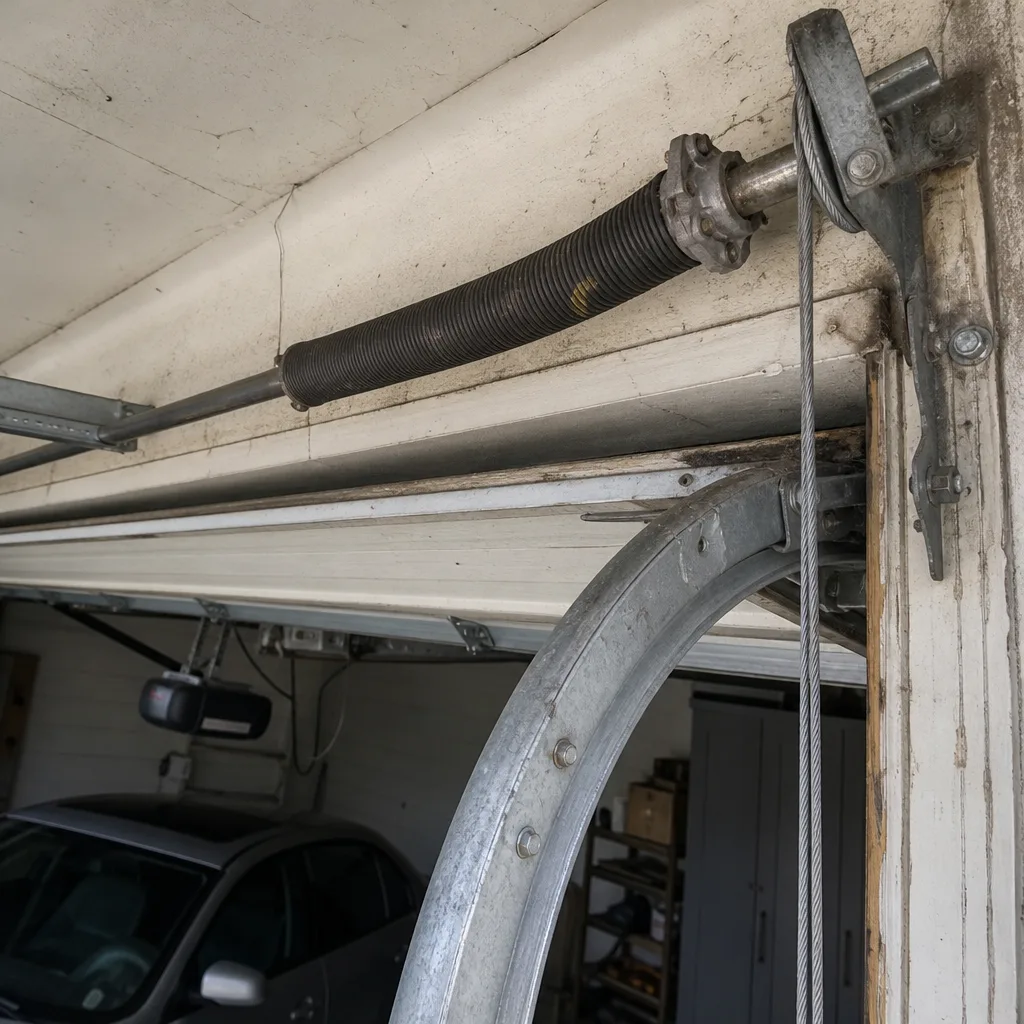 Before
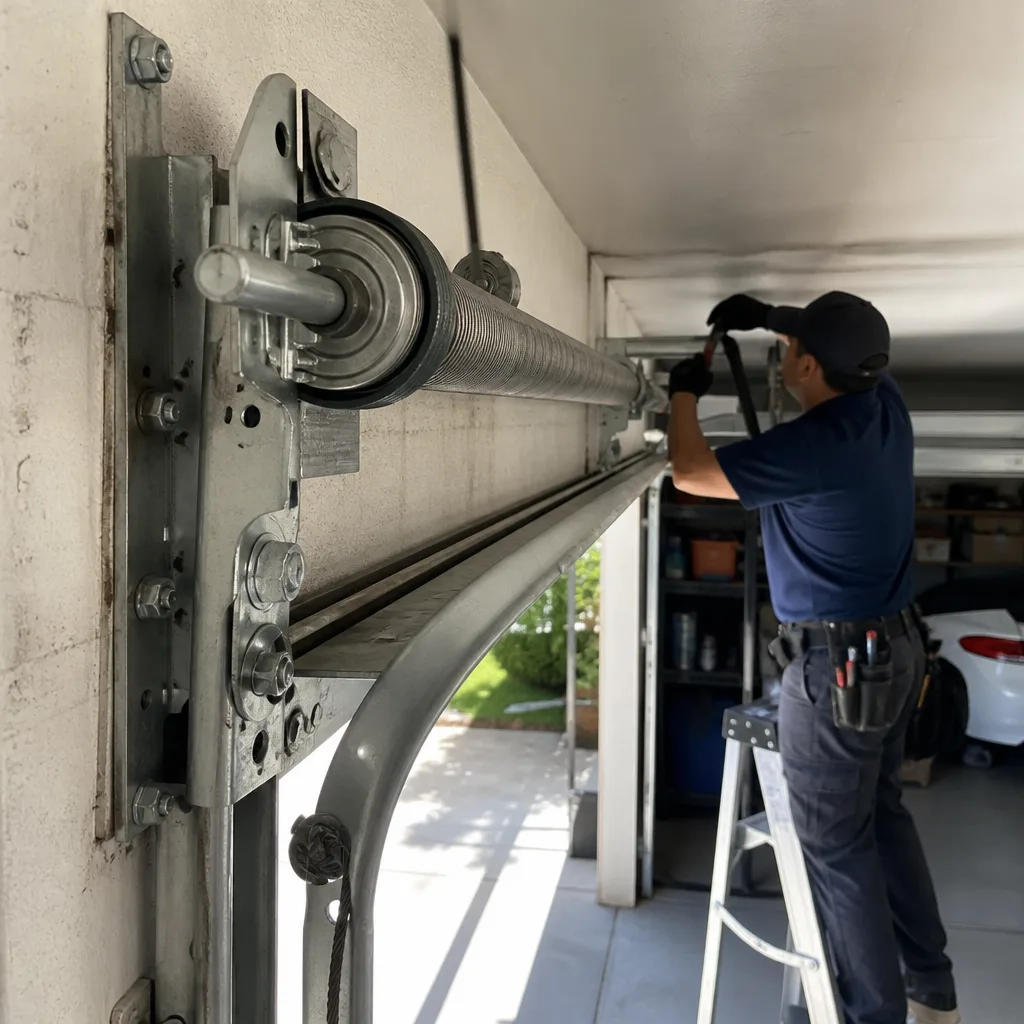 After
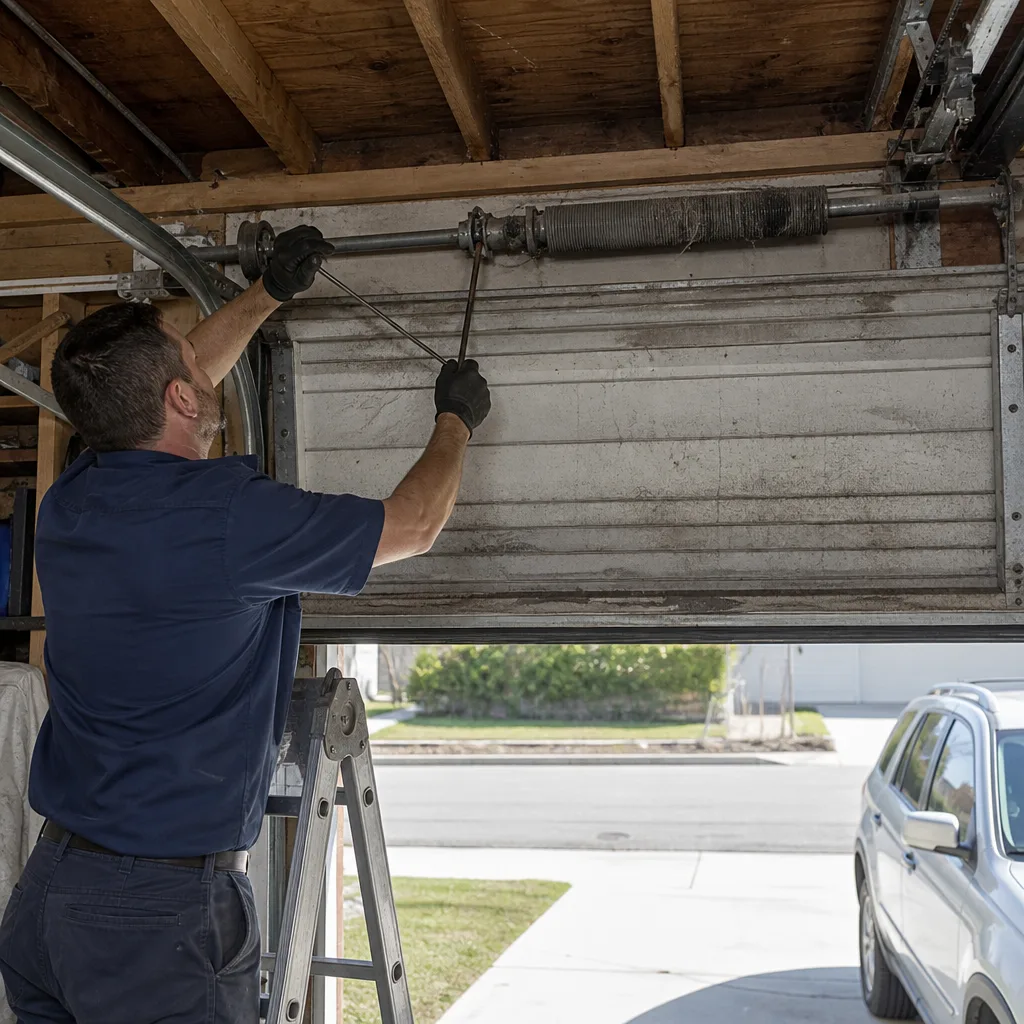 Before
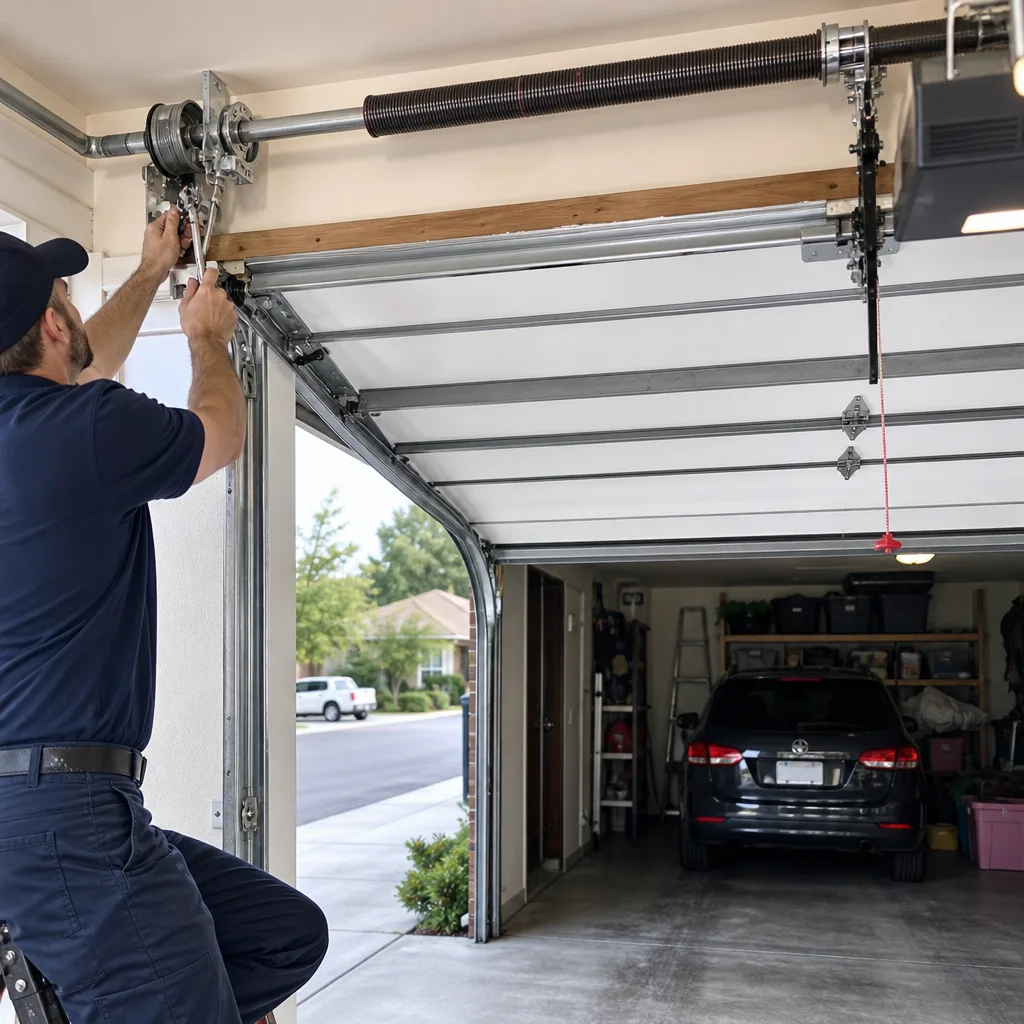 After