
Last updated November 2, 2026
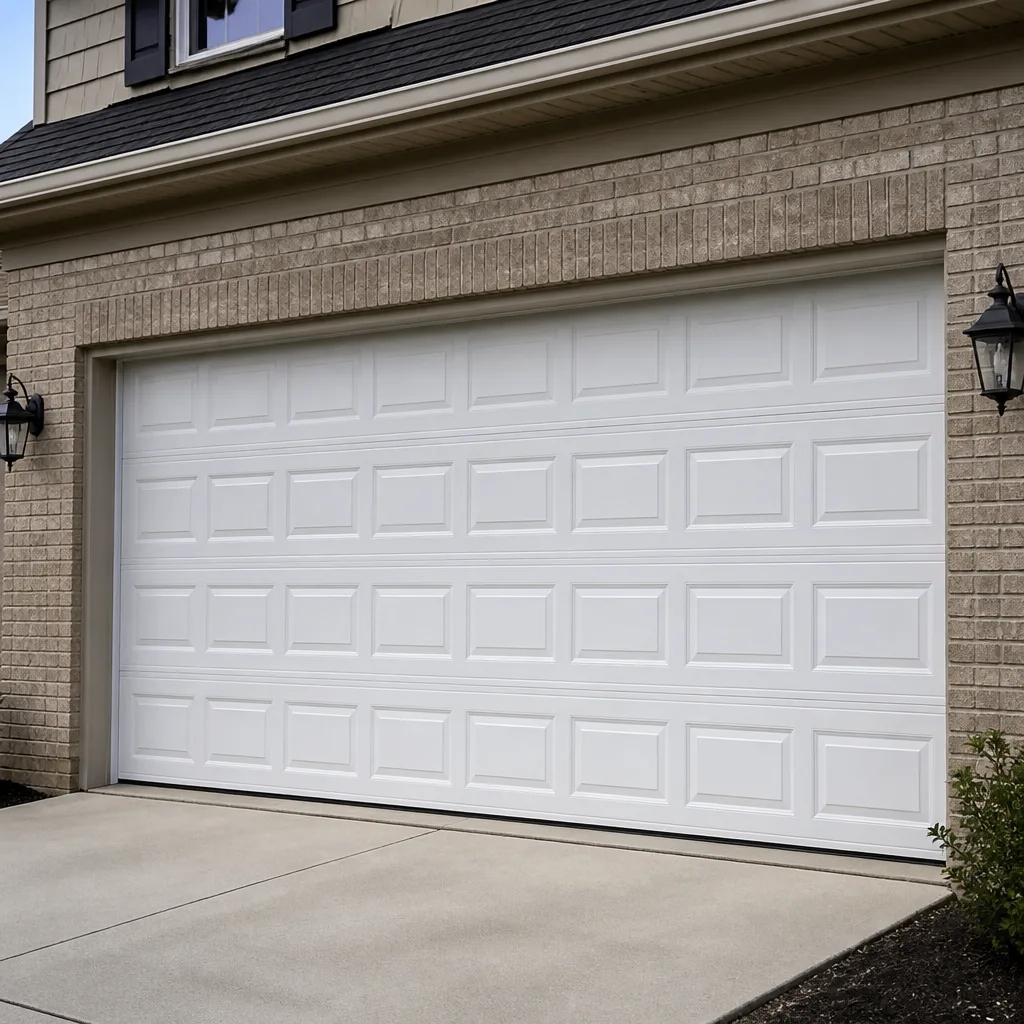 Raised-panel steel
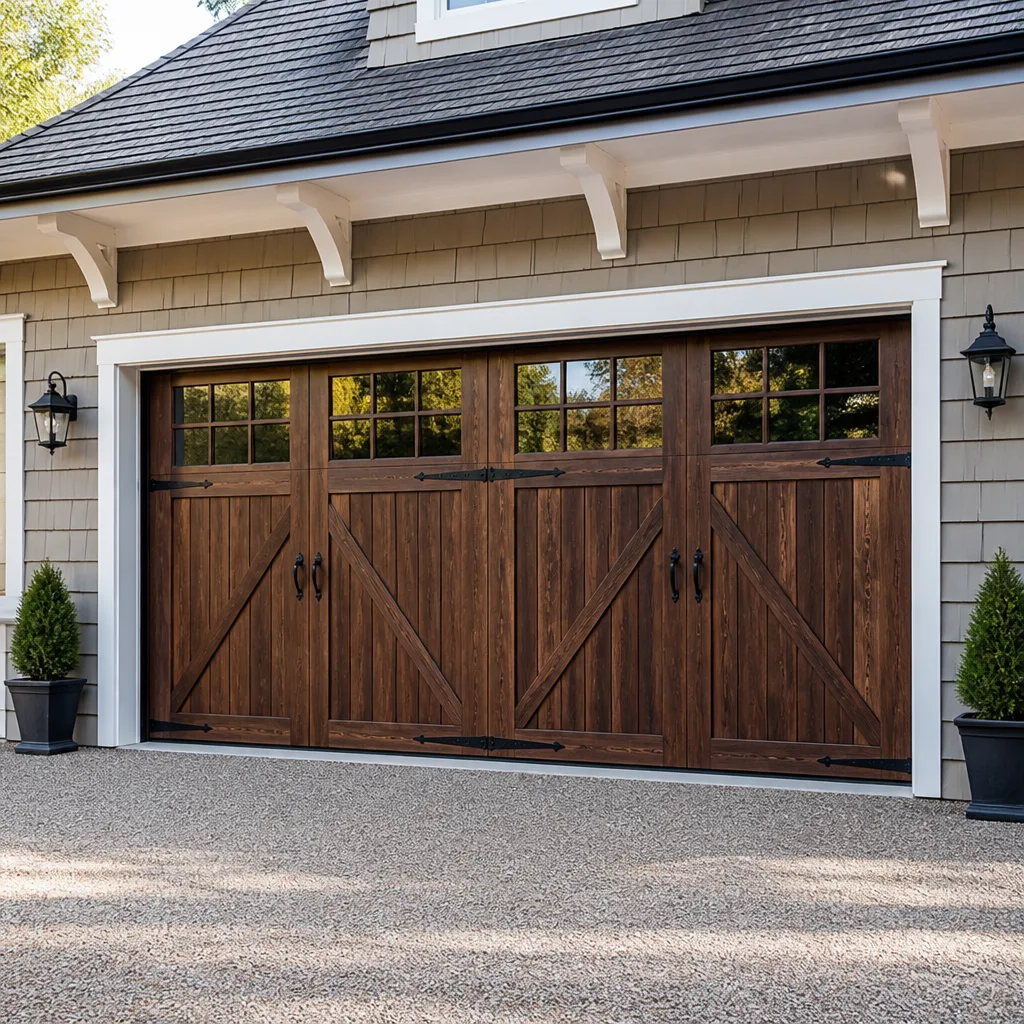 Carriage house
 Modern flush
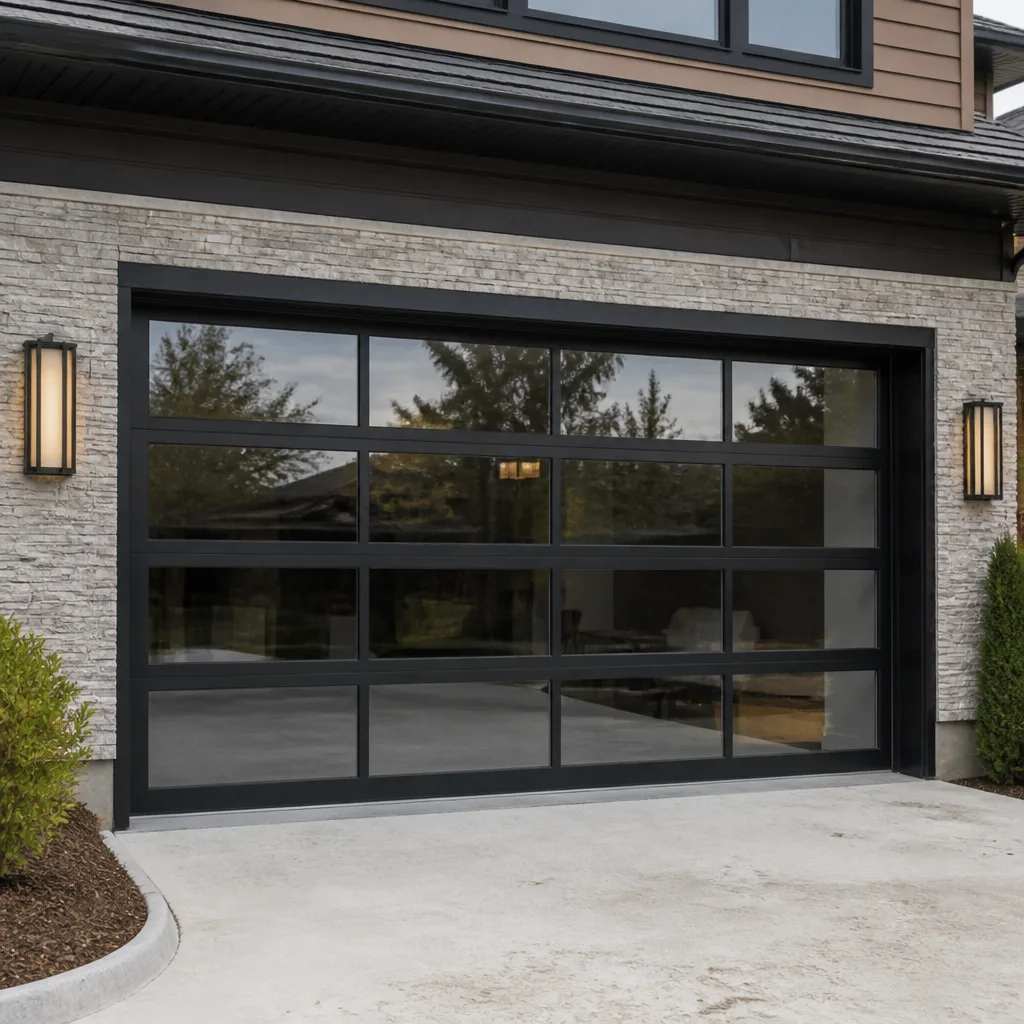 Full-view glass
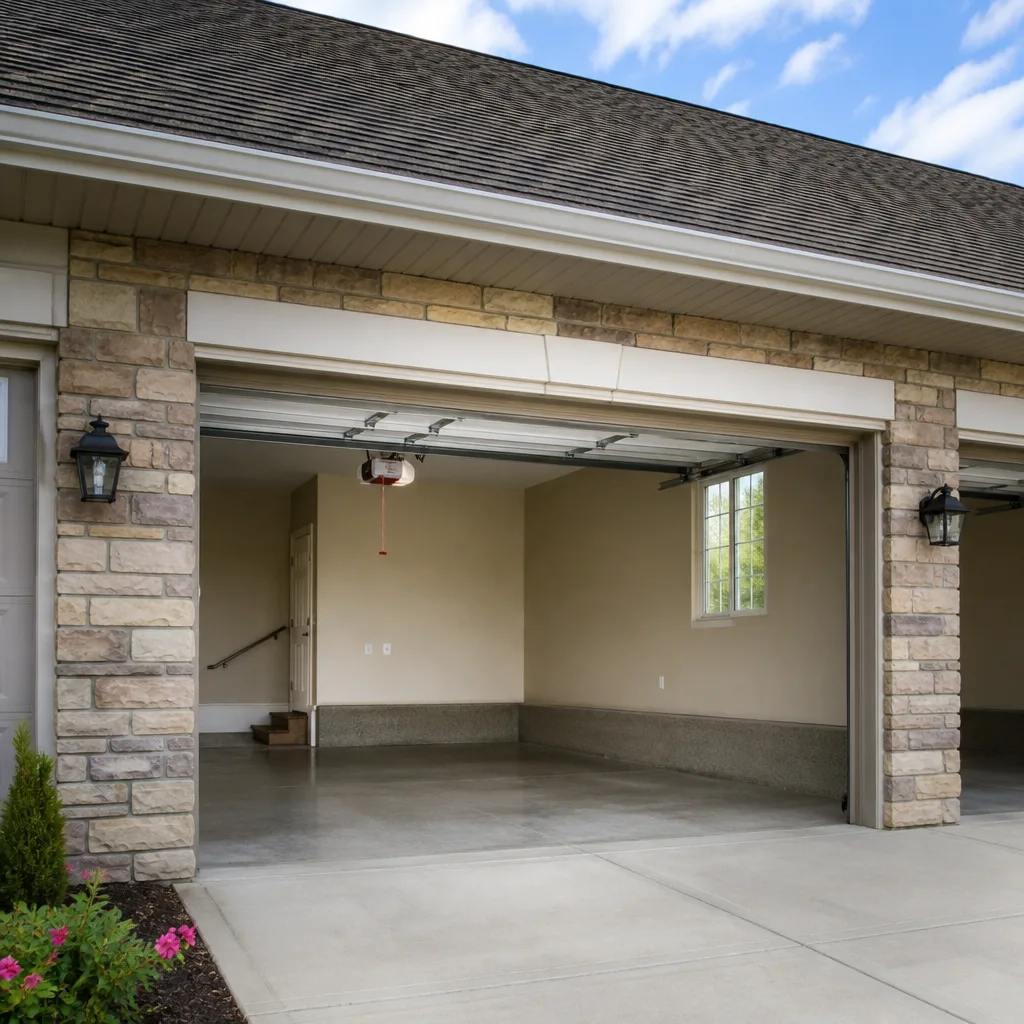 LiftMaster openers
 Chamberlain openers
Full 25-point door and opener safety check with every visit - springs, cables, rollers, tracks, and your LiftMaster or Chamberlain opener included
You get a price before we start. It does not change when the truck arrives.
Get your free estimateGarage Door Permits, Codes & Inspections in CA: What You Need to Know
Here’s a number that surprises most Camarillo homeowners: a garage door replacement that costs $1,800 to install can cost $4,000 or more to correct if an unpermitted installation surfaces during a real estate transaction. California’s seller disclosure laws require you to reveal unpermitted work, and buyers’ lenders routinely flag it. This guide walks through the full compliance picture: when a permit is actually required in Camarillo and Ventura County, what Title 24 energy standards demand of your door, how seismic bracing rules affect your opener, where HOA approval fits into the process, and what to do if you discover an existing unpermitted installation.
Quick Answer
In Camarillo and Ventura County, a garage door replacement generally requires a building permit when the opening is being structurally modified or the new door is being installed on a fire-rated wall adjacent to living space. A simple door-for-door swap with no structural changes typically does not require a permit, but the opener’s electrical circuit and seismic bracing still must meet California Building Code requirements. Title 24 energy compliance applies whenever a door on an attached garage is replaced.
Styles & brands we work with
- Raised-panel steel
- Carriage house
- Modern flush
- Full-view glass
- LiftMaster openers
- Chamberlain openers
Table of Contents
- When a Garage Door Replacement Requires a Permit in Camarillo
- Title 24 Energy Compliance for Attached Garages
- Seismic Bracing Requirements Under CBC Section 1613
- The HOA Layer: CC&Rs vs. City Permits
- How to Retroactively Permit an Existing Unpermitted Installation
- What Inspectors Look For During a Garage Door Inspection
- Common Mistakes to Avoid
- When to Call a Professional
- Frequently Asked Questions
When a Garage Door Replacement Requires a Permit in Camarillo
Ventura County and the City of Camarillo follow the California Building Code (CBC), which is based on the International Residential Code. The permit trigger isn’t the door itself. It’s what changes when the door goes in. A like-for-like swap, where the existing opening stays the same size and the new door uses the same mounting points, usually falls outside permit requirements. But the moment you enlarge the opening, add a second door where a wall currently stands, or modify the header beam above the garage opening, you’ve crossed into structural work that requires a permit and engineering review.
The second trigger is fire separation. In Camarillo, most attached garages share a wall or ceiling with living space. That wall is required to carry a fire-resistance rating, typically one hour. If your replacement door sits on that fire-rated separation, the door itself becomes part of the fire assembly. A permit ensures the door meets the flame-spread and smoke-resistance criteria required by code. This is the trigger many homeowners miss: they think a garage door is just a garage door, but on an attached garage it’s part of your home’s fire envelope.
Electrical work is the third trigger. If your new opener requires a new circuit, a relocated outlet, or any modification to the existing wiring, that electrical work requires a separate permit through the City of Camarillo’s building division. The opener itself does not need a permit, but the wiring changes do.
Permit Triggers at a Glance
- Structural modification: Changing the opening size, adding or removing a door, altering the header or jambs. Permit required.
- Fire-rated wall adjacency: Replacing a door on a wall separating the garage from living space. Permit required.
- Like-for-like swap on a detached garage: Same size, same opening, same mounting points, no structural changes. No permit typically required.
- Electrical modification: New circuit, relocated outlet, or wiring changes for the opener. Separate electrical permit required.
- Opener replacement only: Swapping an opener without touching the wiring or the door. No permit typically required for the opener itself.
In our experience working garage door repair in Camarillo, the most common compliance issue we see is a homeowner who replaced a door on an attached garage without realizing the fire-rated separation rule applied. The second most common is a seller discovering the issue during escrow, when the buyer’s home inspector flags it and the lender pauses the deal.
Title 24 Energy Compliance for Attached Garages
California’s Title 24 energy standards apply to garage doors in one specific circumstance: when the garage is attached to conditioned living space and shares a wall or ceiling with it. In that configuration, the garage door functions as part of the home’s thermal boundary. The code requires that any replacement door meet minimum insulation values. In Ventura County’s climate zone, which falls under California Climate Zone 8 for coastal-influenced areas, the relevant requirement is typically an R-value of 4 or higher for the door itself, though this can shift based on the door’s construction and whether the garage itself is conditioned.
What this means practically in Camarillo: if your attached garage shares a wall with your kitchen or a bedroom above, the door you install needs to be an insulated model that meets the stated R-value. A non-insulated steel door that might have been standard twenty years ago will not satisfy the current Title 24 requirement in this application. This is also a point where product selection matters: a Raynor or Clopay insulated door with a listed R-value meets the requirement on paper, while an unrated door creates a compliance gap that an inspector will flag if the installation is being permitted.
Detached garages in Camarillo generally do not trigger Title 24 door insulation requirements, because there’s no conditioned space adjacent to the garage. The energy code’s interest in the door ends when the garage stands alone. However, if the detached garage contains a conditioned room, such as an office or a guest unit, the door requirements may reapply depending on whether that room shares the garage’s thermal boundary.
One nuance worth knowing: Title 24 compliance is documented, not assumed. If you’re pulling a permit for a door on an attached garage, you’ll need the door’s R-value specification as part of your submittal. This is one area where working with a company that understands the product line matters. We regularly provide the R-value documentation for doors we install, because inspectors ask for it and the answer needs to come from the manufacturer’s data sheet, not a guess.
Seismic Bracing Requirements Under CBC Section 1613
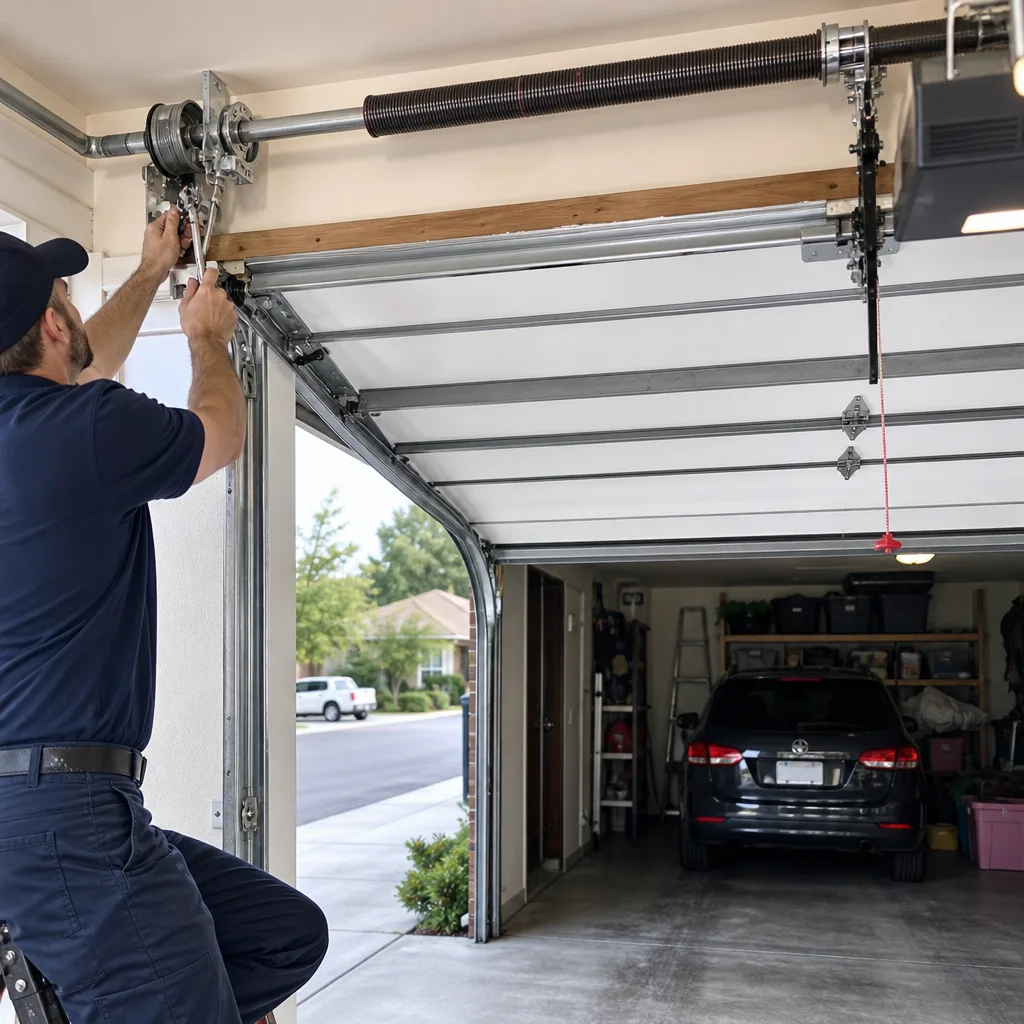
California Building Code Section 1613 addresses seismic design, and it extends to garage door openers in a specific way: the opener motor and rail assembly must be securely braced to the structural framing of the garage, not suspended by threaded rod alone or resting loosely on the door’s own hardware. The concern is what happens during a seismic event. An improperly braced opener can detach, fall, or whip the rail into a position that damages the door or injures someone.
Compliant installation looks like this: the opener’s motor head is mounted to the ceiling framing using perforated steel angle or manufacturer-supplied bracing straps, anchored with structural screws, not drywall anchors. The rail is supported at intervals that match the opener manufacturer’s specifications. For LiftMaster and Genie openers, the manufacturers provide specific bracing kits for California installations, and the CBC requires that the installer follow those manufacturer requirements as a minimum standard.
What a code-compliant seismic brace actually involves:
- Motor head attachment: The opener motor must be bolted to ceiling joists or blocking using steel angle or a factory brace kit. Drywall anchors are not acceptable.
- Rail support: The rail needs intermediate support brackets at the manufacturer’s specified spacing. A long span with no intermediate support will flex during shaking.
- Door connection: The opener arm connecting to the door trolley must be installed with the correct hardware and no excessive play. A sloppy connection amplifies shaking.
- Electrical: The opener’s power cord should have a service loop so that seismic movement doesn’t yank the connection out of the outlet.
In Camarillo, we’re in a seismically active region, and building officials in Ventura County take Section 1613 seriously. If you’re pulling a permit for an opener installation or for a door replacement that includes an opener, expect the inspector to look at the bracing. This is also a safety checkpoint we flag during garage door opener repair in Camarillo: if we open a garage and see an opener hanging from threaded rod with no bracing, the repair conversation starts with getting the installation safe before we address the functional issue.
The HOA Layer: CC&Rs vs. City Permits
Many Camarillo homeowners live in communities governed by a homeowners association, and the HOAs here add a second compliance layer that operates entirely separately from the city permit process. The CC&Rs, the covenants, conditions, and restrictions recorded against your property, typically require architectural committee approval before you change the exterior appearance of your home, including the garage door. This approval covers design: door material, color, window inserts, panel style, and whether the door matches the community’s established aesthetic standards.
The critical point for homeowners: HOA approval does not replace a city permit, and a city permit does not satisfy your HOA. They are two independent processes with two different scopes. The city cares about structural safety, fire separation, and energy compliance. The HOA cares about whether your new door’s color and style fit the neighborhood’s design standards. You need both. A homeowner who assumes the HOA approval covers everything is making a mistake that can surface later, either at resale or when the HOA’s architectural committee notices the door and sends a compliance letter.
The sequence that works most cleanly: check your CC&Rs first, before you even select a door, so you know what design parameters you’re working within. Then obtain HOA approval. Then pull the city permit if the project triggers one. The HOA architectural review is often slower than the city permit process in Camarillo, so starting it early prevents a situation where your door is ready to install but you’re still waiting on the association.
We’ve seen this process from the contractor side on garage door installation in Camarillo projects, and the most common friction point is a homeowner who picked a door, ordered it, and then discovered the HOA restricts that color or window style. Getting the design approval before the order prevents that expensive mistake.
How to Retroactively Permit an Existing Unpermitted Installation
Retroactive permitting exists because unpermitted work is common, and the state’s building officials know it. The process in Camarillo starts with acknowledging the situation to the building division, then submitting an application for a permit as if the work is about to happen. The difference is that the work is already done, so the inspector’s job is to verify that what exists meets current code. If it does, you get the permit. If it doesn’t, you get a correction list.
Here’s the step-by-step process for a garage door that was installed without a permit:
- Document what exists: Take photos of the door, the opening, the opener installation, and the electrical connection. Note the door’s make, model, and R-value if you can find the manufacturer’s label.
- Contact the Camarillo building division: Explain that you have an existing garage door installation and want to bring it into compliance. Ask whether a retroactive permit is available for your scope of work.
- Submit the application: You’ll need the same information a forward-looking permit requires: door specifications, opening dimensions, and if applicable, electrical and bracing details.
- Schedule an inspection: The inspector will come out and check the installation against current code. Focus areas will be fire separation on attached garages, Title 24 compliance, and opener seismic bracing.
- Address any corrections: If the inspector flags items, you’ll get a list. Complete the corrections and call for a re-inspection.
- Close out the permit: Once the inspector signs off, the permit is final, and you’ll have the documentation you need for future resale.
The most common correction items we see on retroactive permit inspections in Camarillo: an opener that lacks proper seismic bracing, a door on an attached garage that doesn’t meet the Title 24 insulation requirement, and missing documentation for the door’s fire rating. None of these are catastrophic, but each adds cost and delay, which is why doing it right the first time is the cheaper path.
What Inspectors Look For During a Garage Door Inspection
If your Camarillo garage door project triggers a permit, you’ll have at least one inspection. Knowing what the inspector checks helps you prepare, whether the inspection is for new work or retroactive permitting. The inspector’s checklist is not a mystery: it follows the code sections that applied to your project.
For a typical permitted garage door replacement on an attached garage, here’s what the inspector evaluates:
- Fire-rating documentation: The inspector will want to see that the installed door matches the fire-rated assembly required for the wall it’s mounted on. This usually means checking the door’s label or the documentation you submitted with the permit application.
- Title 24 compliance: The door’s R-value must meet the energy code requirement for your climate zone. The inspector verifies this against the product documentation.
- Seismic bracing on the opener: If the project included a new opener, the inspector checks the bracing: how the motor is attached to the ceiling, whether the rail has proper support, and whether the installation matches the manufacturer’s California bracing requirements.
- Hardware and mounting: The door’s tracks, hinges, springs, and mounting brackets need to be secured to the structure properly. An inspector is looking for the same thing we look for on every repair: components that won’t fail under load.
- Electrical connection: If electrical work was part of the permit, the inspector checks the outlet, wiring, and any GFCI protection required by code.
- Weather sealing: The bottom seal and side seals should be installed correctly. This is a code item because it affects the door’s air infiltration, which ties back to Title 24 on attached garages.
Inspectors in Ventura County are thorough, but they’re not adversarial. Most want to pass the work. The failures we see are almost always documentation gaps: the homeowner can’t produce the door’s R-value, or the opener’s bracing was done with hardware that looked fine but doesn’t meet the letter of the requirement. Companies that do this work regularly in Camarillo know what documentation the inspectors expect and bring it to the inspection.
Common Mistakes to Avoid
- Assuming no permit is needed because the door company said so. Some national installation companies work across hundreds of jurisdictions and may not know Camarillo’s specific fire-separation and Title 24 application rules. If the door is on an attached garage, verify yourself with the building division before proceeding.
- Treating HOA approval as sufficient. HOA design approval and a city building permit are separate processes with separate requirements. Having one does not satisfy the other, and neither substitutes for the other’s inspection.
- Skipping the Title 24 insulation requirement on an attached garage. A non-insulated door on the wall between your garage and living space will fail inspection and will also cost you money in energy loss every month it’s installed. This is the single most common compliance miss we see on Camarillo replacements.
- Ignoring seismic bracing on an opener. An opener hung from threaded rod or resting on drywall anchors is a code violation and a genuine safety hazard. Ventura County inspectors will flag this immediately.
- Discovering the problem at resale. Unpermitted work must be disclosed when you sell. Finding out during escrow means negotiating with the buyer from a weak position, and the buyer’s lender may require the permit issue resolved before closing. That’s when a $1,800 installation becomes a $4,000 correction.
- Ordering a door before checking CC&Rs. If your HOA restricts door colors, materials, or window styles, you need to know that before the door is ordered, not after it’s installed. Returning a custom-sized garage door is not practical.
- Not keeping the documentation. Permits, product R-value sheets, HOA approval letters, and inspection sign-offs all need to stay with the house. When you sell, that paperwork answers the next buyer’s questions and keeps the transaction moving.
When to Call a Professional
Some compliance situations are straightforward enough to handle on your own. A like-for-like swap on a detached garage with no structural, electrical, or fire-separation issues is a low-complexity project. But if your Camarillo garage is attached to living space, if the opener needs new electrical work, if the opening is being modified, or if you’re dealing with a retroactive permit on an existing installation, a professional who works in this jurisdiction regularly is the difference between a smooth process and a stalled one. The permit application sequences, the documentation inspectors expect, and the code sections that apply in Ventura County are all things a local company handles every week. Statesman Garage Door Repair offers free estimates in Camarillo and can walk you through the compliance picture before any work begins. Call (855) 341-8382.
Frequently Asked Questions
You typically need a permit in Camarillo if the replacement door is on an attached garage with fire-rated wall adjacency, if the opening is being structurally modified, or if the project includes electrical wiring changes. A like-for-like swap on a detached garage with no structural changes usually does not require a permit. Call the Camarillo building division with your specific address to confirm before the project starts, and call (855) 341-8382 for a free estimate if you want a professional assessment of your compliance picture.
Garage door permit fees in Camarillo are based on the project’s valuation, and a straightforward replacement typically falls into the lower fee tier, often in a range that reflects the city’s minimum permit charge plus any plan check fees. The exact number depends on the current fee schedule, so contact the building division for a precise quote. The permit fee itself is usually a small fraction of the total project cost, which is why skipping the permit to save money is a poor trade when the resale complications are considered. For a full project estimate that includes permit assistance, call (855) 341-8382.
Replacing an existing opener without modifying the electrical wiring or the door’s structural mounting generally does not require a permit in Camarillo. However, the opener installation must still meet California Building Code Section 1613 seismic bracing requirements, which means proper ceiling attachment and rail support. If the installation requires new wiring or a new circuit, an electrical permit is required. Openers from brands like LiftMaster, Chamberlain, and Genie all have California-specific bracing requirements that need to be followed.
For attached garages in Ventura County that share a wall or ceiling with conditioned living space, Title 24 requires the replacement garage door to meet a minimum insulation value, typically R-4 or higher depending on the specific configuration. The requirement applies because the garage door becomes part of the home’s thermal boundary. Detached garages without conditioned space generally do not trigger the Title 24 door requirement. To confirm the specific R-value your door needs, contact us at (855) 341-8382 and we’ll check the current code against your garage configuration.
Seismic bracing for a garage door opener in California means the opener motor is attached to ceiling framing using steel angle or a manufacturer-supplied bracing kit, anchored with structural screws into solid framing rather than drywall anchors. The rail needs intermediate support brackets at the manufacturer’s specified spacing. This bracing prevents the opener from detaching or swinging during an earthquake. If your current opener is hanging from threaded rod or appears loosely mounted, the bracing should be corrected by a professional, because the high-tension hardware involved in opener repair work can cause serious injury if mishandled.
Yes. If your Camarillo HOA’s CC&Rs include architectural approval requirements, and you installed a door without that approval, the HOA can issue a compliance letter requiring you to modify or replace the door at your expense. HOA design authority operates independently from city permit requirements, and neither process satisfies the other. The safest sequence is to check CC&Rs, obtain HOA approval, and then pull any required city permits before ordering the door. We’ve helped homeowners navigate this process on installation projects in Camarillo and can tell you which door styles are typically approved in your specific community.
The Bottom Line
Garage door permits in Camarillo hinge on three factors: structural modification, fire-separation adjacency, and electrical work. Replace a door on an attached garage, modify the opening, or add new wiring, and you’re looking at a permit. Title 24 adds an insulation requirement for doors on attached garages, CBC Section 1613 requires proper seismic bracing for openers, and your HOA’s CC&Rs add a design approval layer that runs parallel to all of it. Skipping any of these creates a liability that surfaces at resale, where the correction cost typically doubles or triples the original installation price. The path to compliance starts with knowing which rules apply to your specific garage, and that’s a conversation worth having before any work begins. Statesman Garage Door Repair serves homeowners throughout Camarillo and can help you sort the compliance picture for your garage door project. Call (855) 341-8382 for a free estimate, or visit our Statesman Garage Door Repair home page to learn more about our services.
Written by the team at Statesman Garage Door Repair, serving Camarillo since 2018.
See the difference
 Before
 After
 Before
 After
 Before
 After